Root Canal Treatment in Senawang, Seremban

Dental implant, artificial tooth roots into jaw, root canal of dental treatment, gum disease

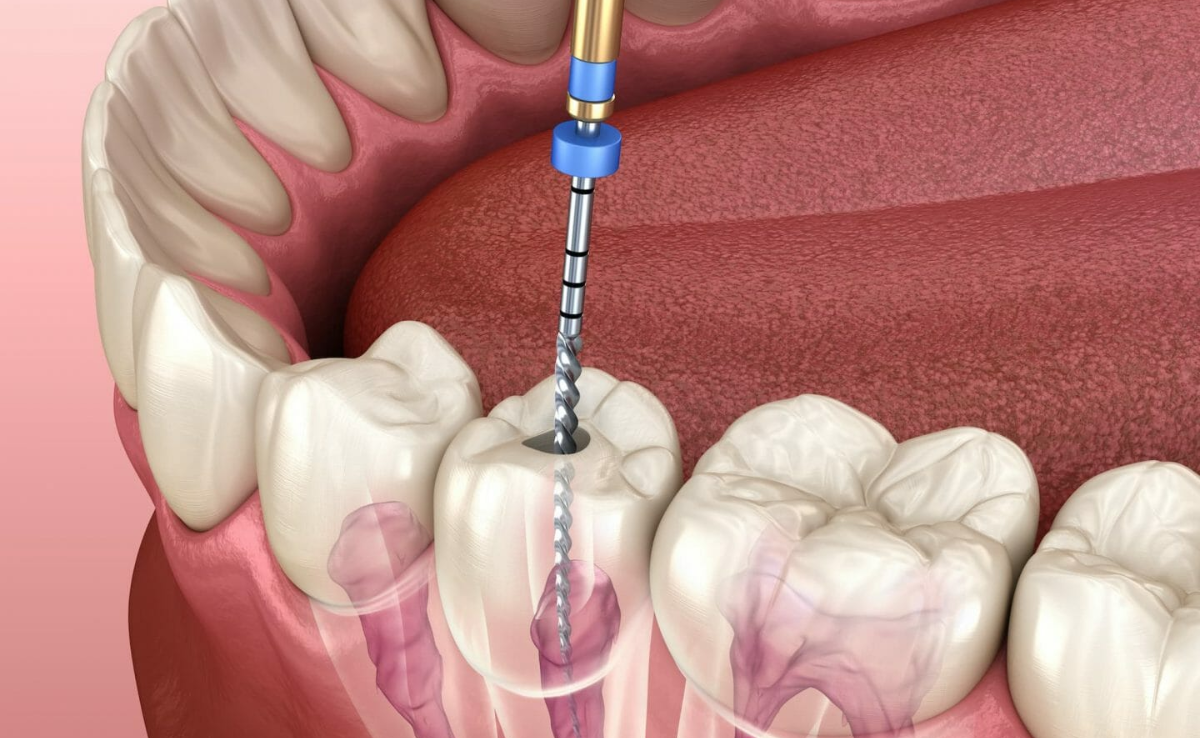
Root canal treatment (RCT) is a proven solution designed to save your natural tooth by removing the inflamed or dead tissue, cleaning the area thoroughly, and sealing it to prevent further damage. At Cozy T Dental Seremban, our RCT procedures are performed with precision, helping patients in Senawang and surrounding areas restore oral health without the need for extraction.

A timely root canal helps the overall alignment of your bite and preserves the structure of your jawbone. In addition, it often saves the tooth and avoids the need for a bridge or implant later on. If you’re unsure whether RCT is the right solution, our experienced team can assess your condition and walk you through the options based on your symptoms and goals.

What Dental Problems Require an RCT?

RCT is a powerful dental procedure used to save teeth that are badly damaged, decayed, or infected. Recognising when a tooth problem goes beyond a simple filling can help you get treated before pain or damage becomes more serious.

Deep decay pulp

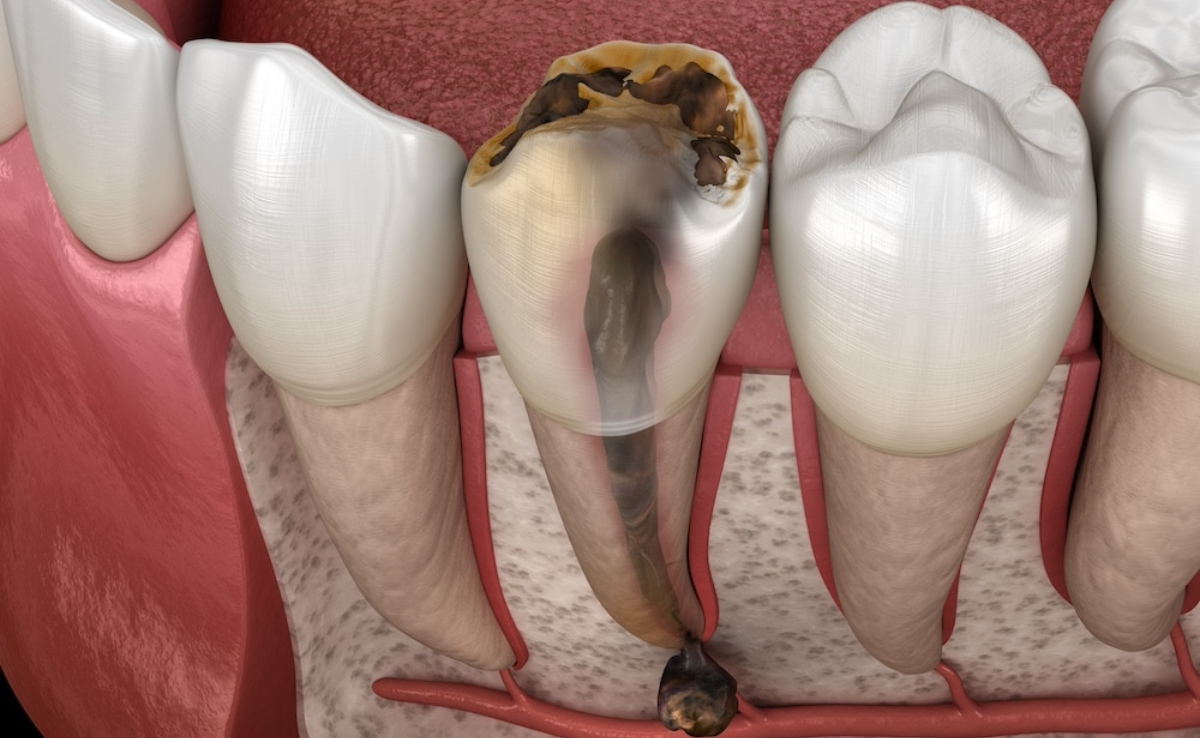
Deep decay or infected pulp

If your tooth’s nerves and blood vessels are alive, you may experience sharp pain, extreme sensitivity to hot or cold, or swelling.
Broken teeh

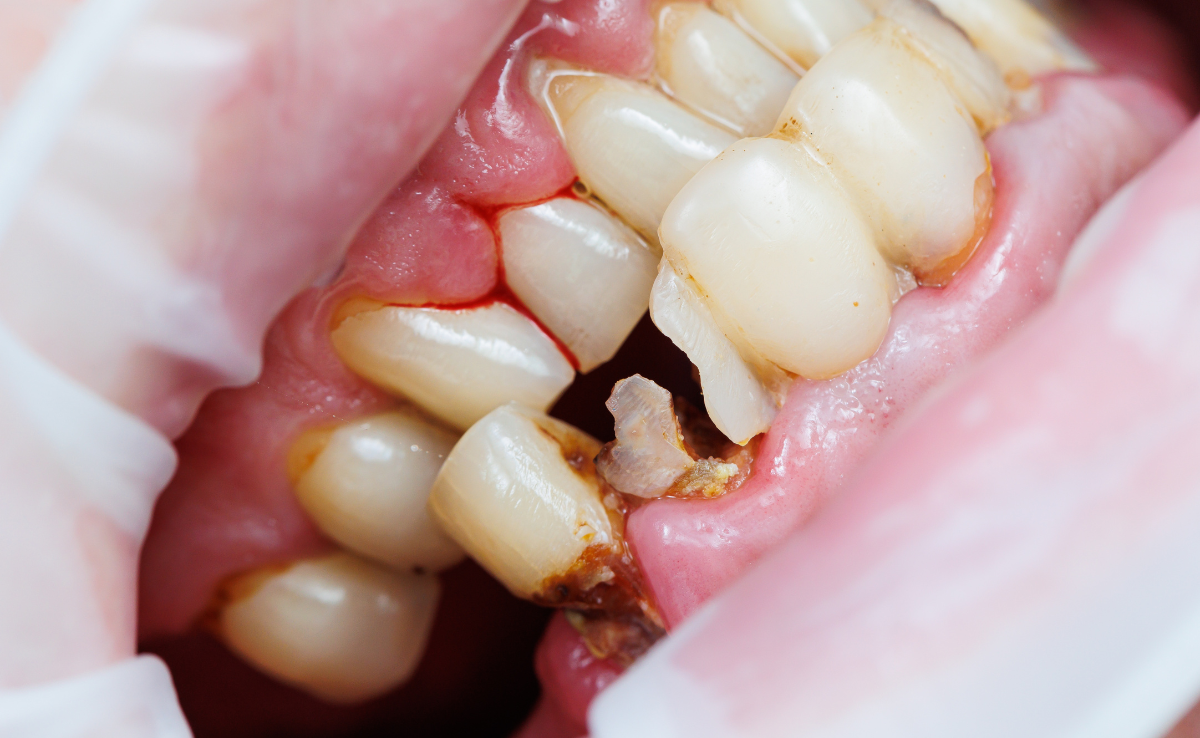
Cracked or broken teeth

A crack or fracture that extends into the pulp can expose nerves and allow bacteria to enter, leading to infection.
Failed dental fillings

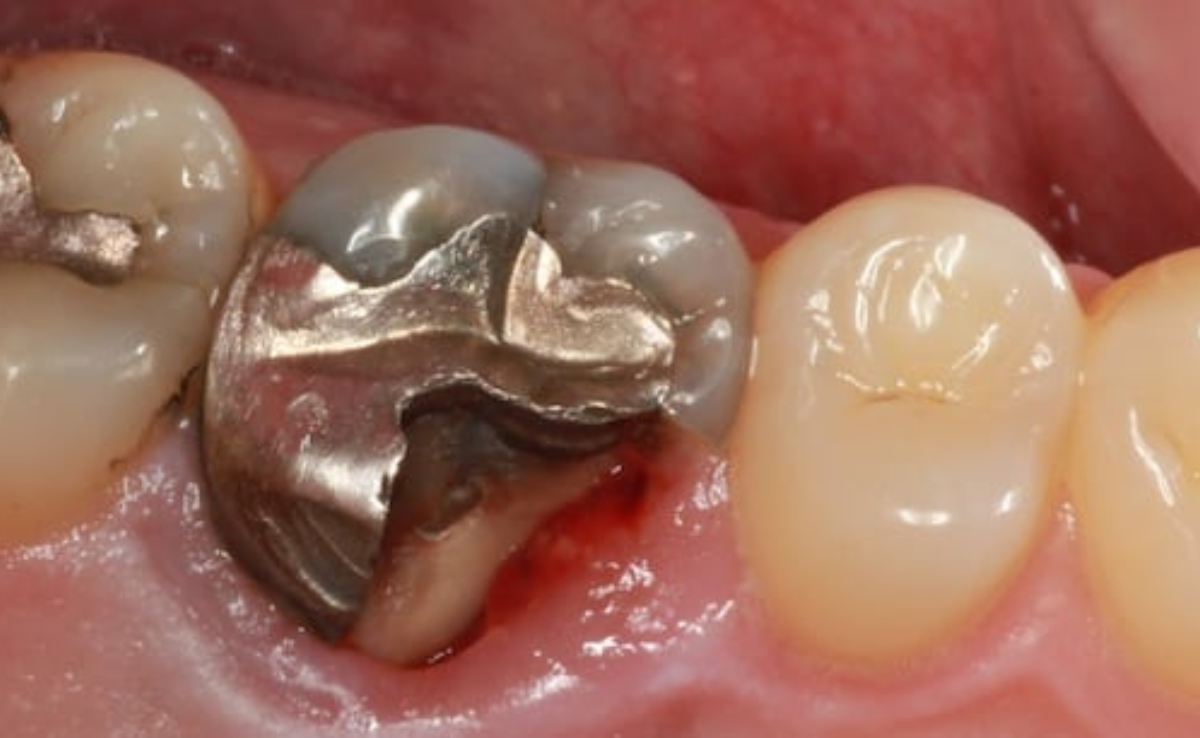
Failed dental fillings or trauma

If a filling is too deep, improperly sealed, or if a previously treated tooth develops new decay beneath a restoration, the pulp may become reinfected.
Benefits of Root Canal Treatment

When performed at the right time, root canal treatment can restore normal function, avoid more costly procedures, and help preserve your natural smile. Here’s how it makes a long-term difference.

Helps preserve antural tooth

Preserves your natural tooth

Rather than extracting and replacing a severely infected tooth, a root canal allows you to keep your original tooth structure

Dental pain

Eliminates infection and pain

By removing the infected pulp and sealing the tooth, root canal therapy prevents the infection from spreading to other areas of your mouth or body

Restores normal chewing and biting

Restores normal chewing and bite

A properly restored root canal-treated tooth functions just like any other. After the final crown is placed, you’ll be able to eat and speak with ease again.

Cost effective

Cost-effective compared to tooth replacement

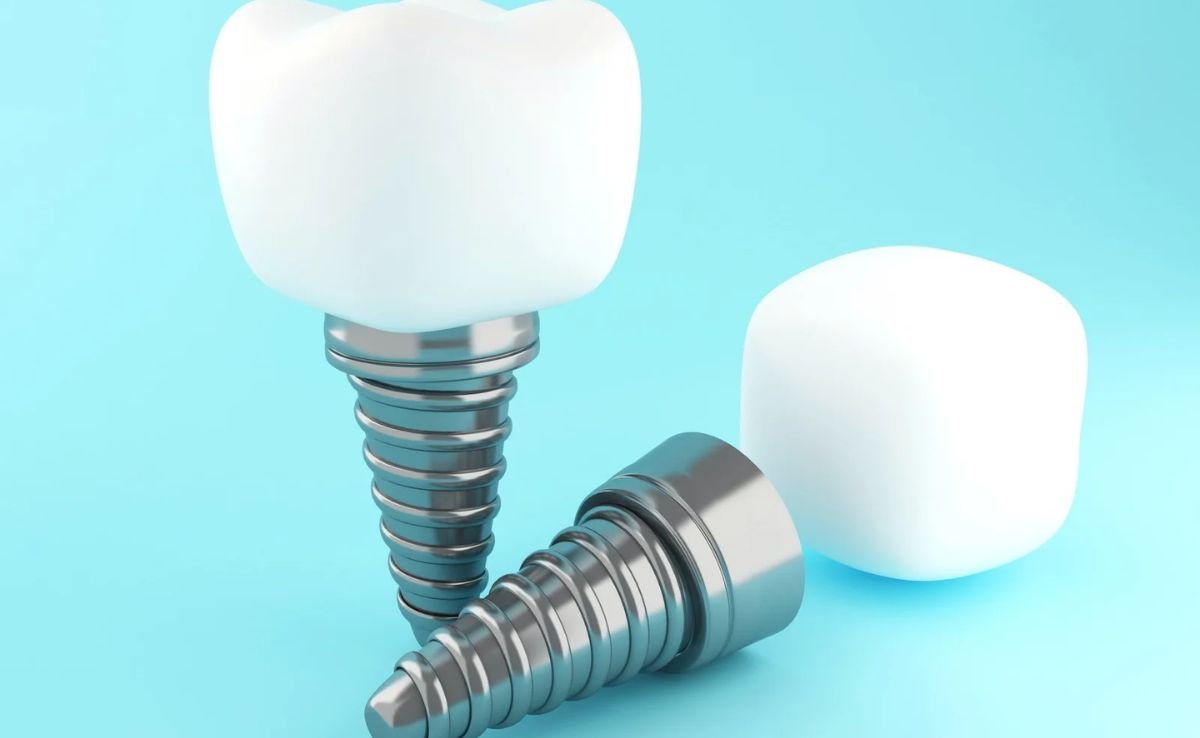
Though root canal treatment may seem costly upfront, it’s often more economical in the long run than an extraction followed by a dental implant or bridge.
Step-by-Step RCT Treatment Procedure

Understanding how a root canal treatment works can help ease anxiety. Here’s how the process typically unfolds:

Dental X ray

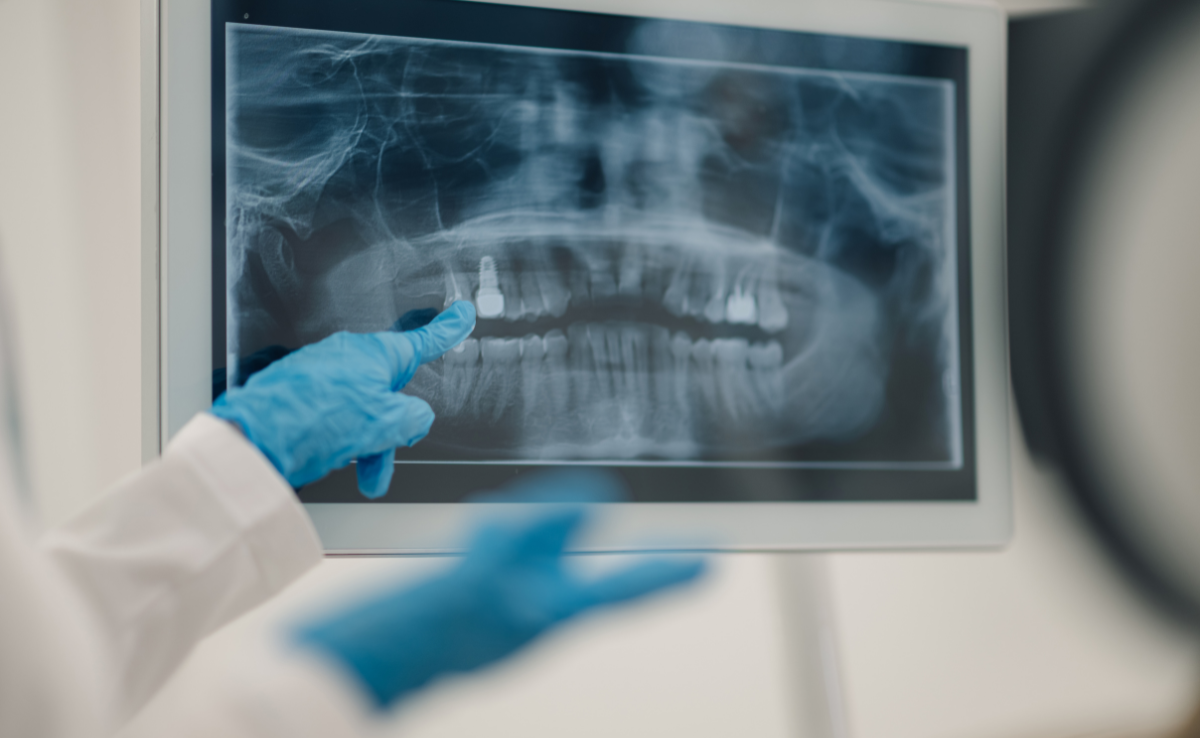
Step 1 - Diagnostic X-ray

The dentist begins with a digital X-ray to assess the condition of the affected tooth and determine the extent of decay or infection. This also helps evaluate the shape of the root canals and check for signs of bone infection.
Local Anesthesia

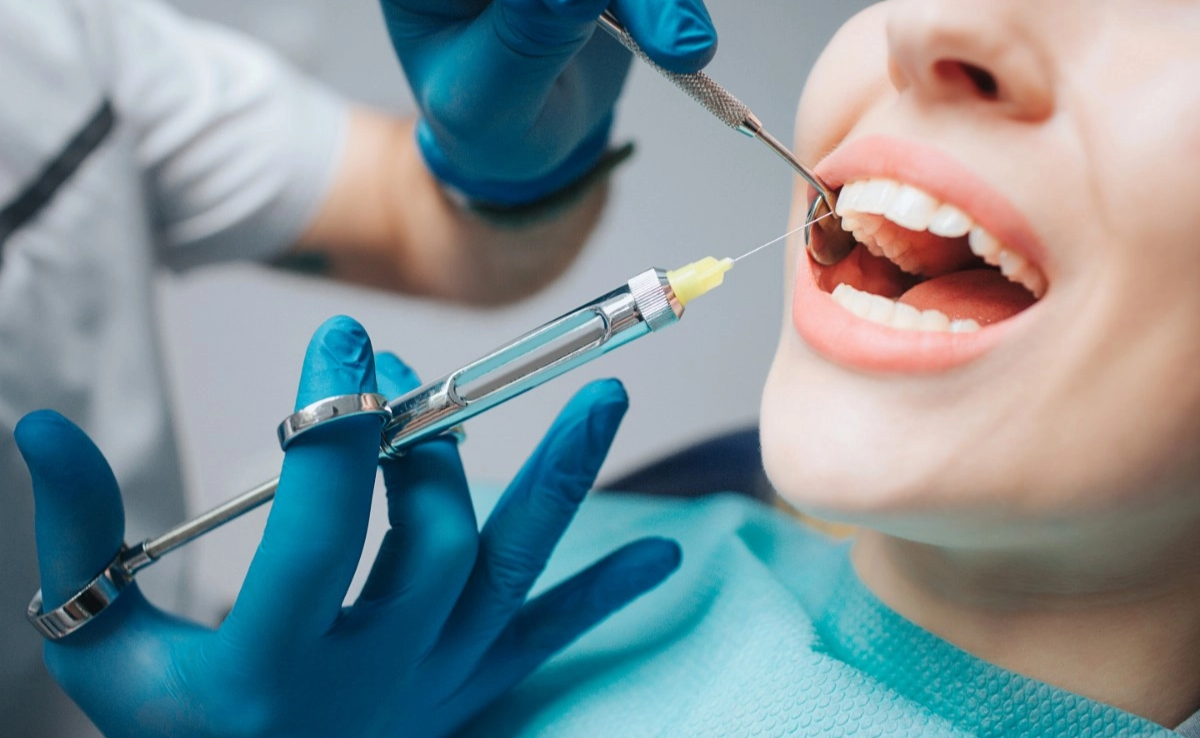
Step 2 - Local Anaesthesia

To ensure you're comfortable throughout the procedure, a local anaesthetic is applied to numb the area surrounding the affected tooth.
Tooth Isolation

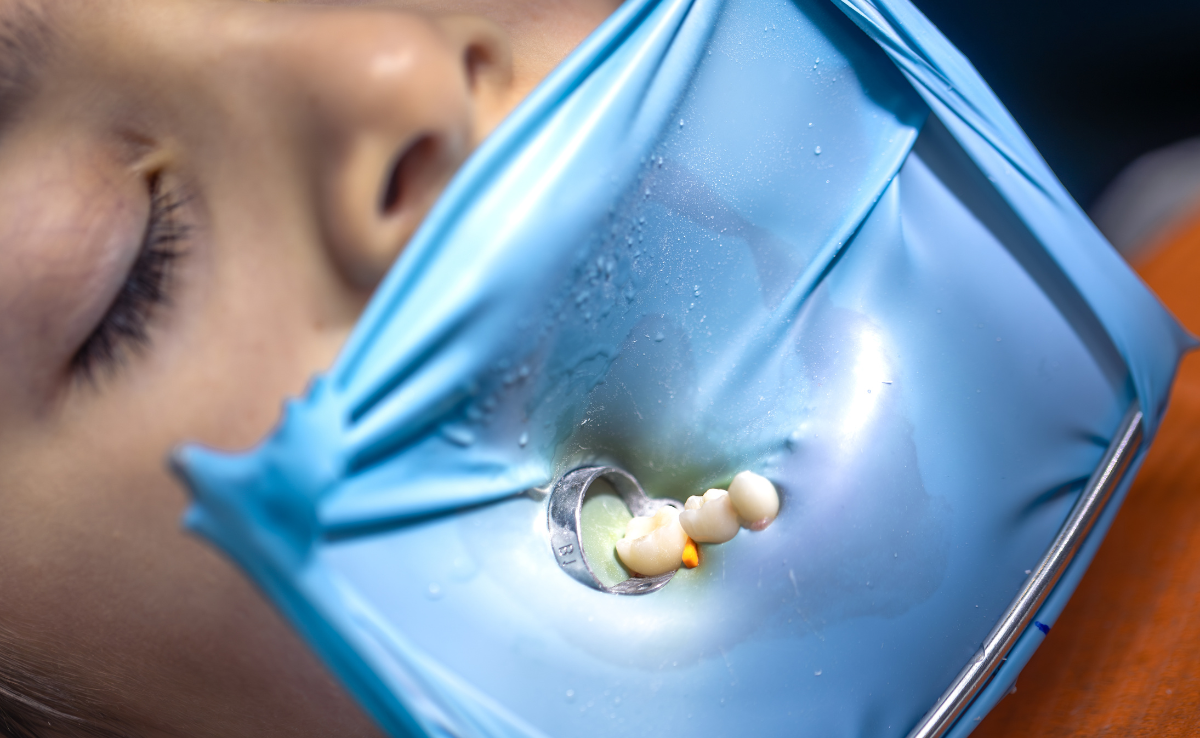
Step 3 - Tooth Isolation

A rubber dam is placed around the tooth to keep it dry and saliva-free, preventing contamination during treatment.
Pulp removal

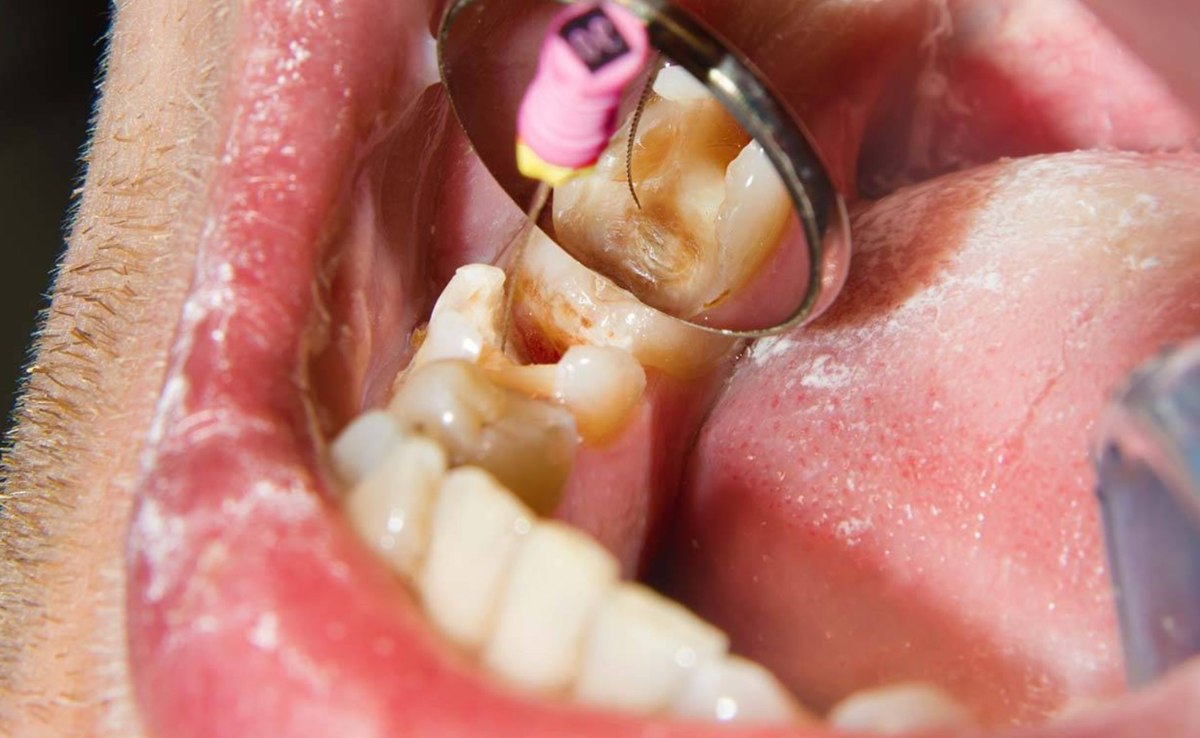
Step 4 - Pulp Removal

A small access hole is drilled into the tooth, and the infected or dead pulp tissue is carefully removed using special endodontic tools.
Cleaning the canal

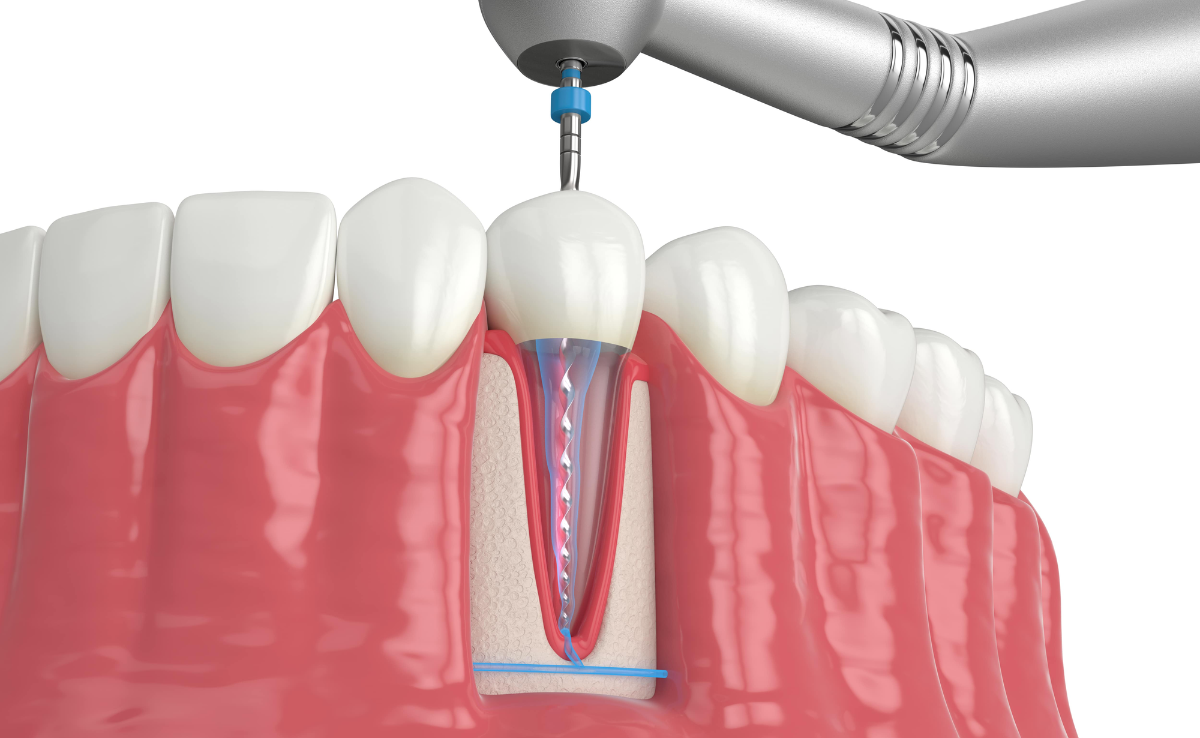
Step 5 - Cleaning and Shaping the Canal

Once the pulp is removed, the canal is disinfected and shaped with fine dental files to prepare it for sealing.
Filling the canal

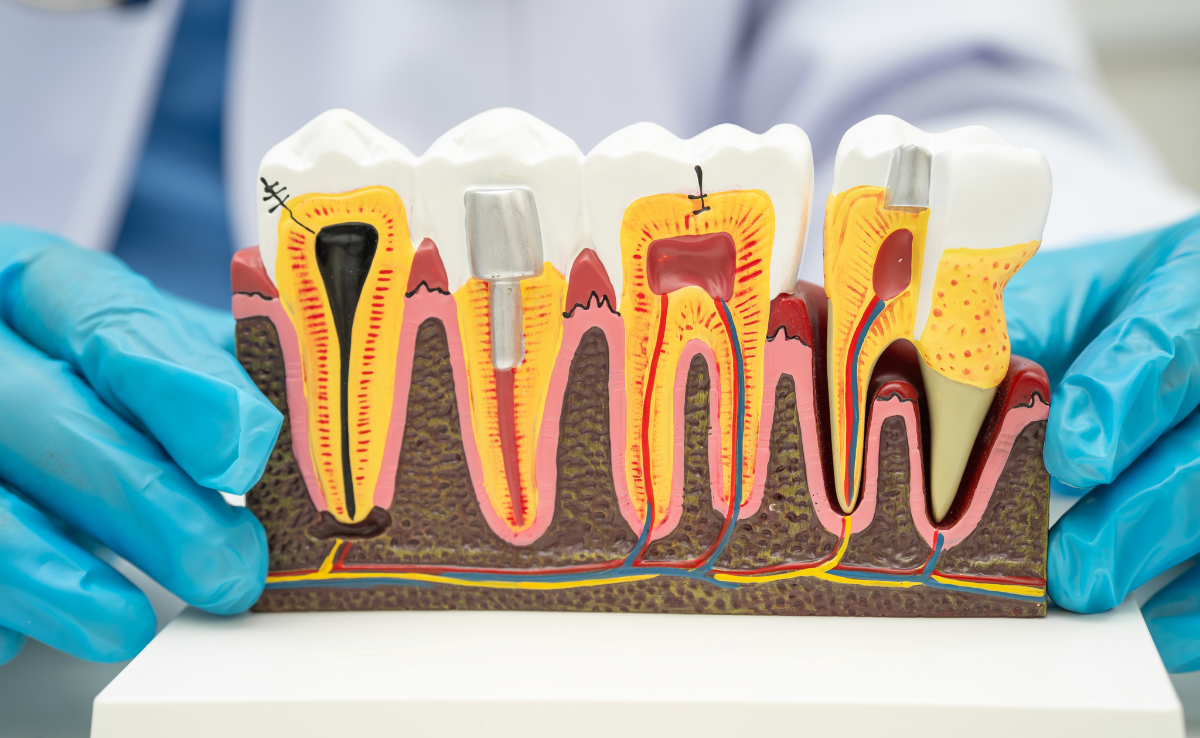
Step 6 - Filling the Canal

The cleaned canal is filled with a biocompatible material, typically gutta-percha, to prevent future infection. It is then sealed with an adhesive cement.
Temporary Filling

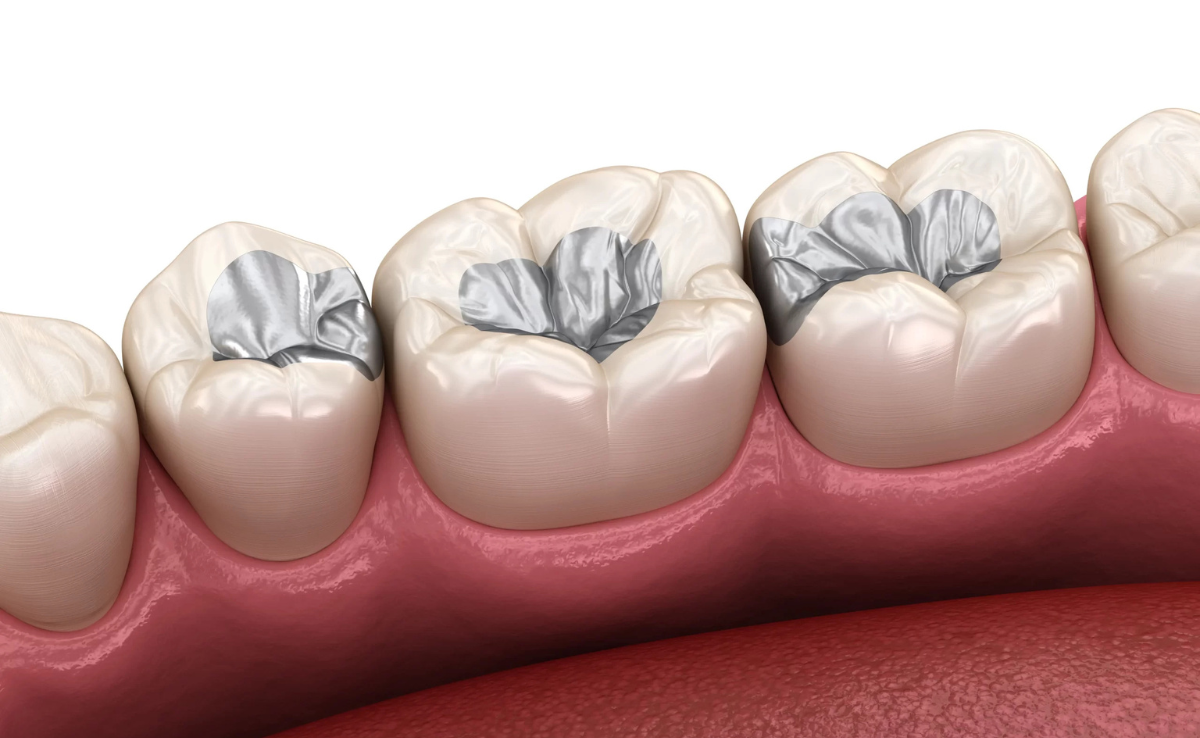
Step 7 - Temporary or Permanent Filling

A temporary filling is often placed on top of the sealed canal until a permanent crown or restoration can be fitted.
Root canal treatment before and after – what to expect

Before RCT, patients usually experience symptoms like persistent toothache, sensitivity to hot or cold, swelling, or even pus discharge. The tooth may appear discoloured or feel loose. After treatment, these symptoms typically subside as the source of infection is removed. The tooth is no longer painful and regains stability once fully restored with a crown.

Visually, the change may be subtle, but functionally, the difference is significant. A tooth that was once at risk of extraction is now preserved and capable of lasting many more years with proper care.

Alternatives to Root Canal Treatment

RCT Treatment Cost in Senawang

Average Price Range for Root Canal in Seremban

While actual costs depend on the case, these ranges give a realistic local benchmark:

  • Anterior teeth (front): RM 600 – RM 1,000*
  • Premolars: RM 800 – RM 1,500*
  • Molars (back teeth, more complex): RM 1,200 – RM 2,000+ 

*Because each patient’s condition is unique, a personalised consultation at Cozy T Dental Center Senawang will provide a detailed cost breakdown tailored to your tooth’s situation.

Managing Post-Treatment Discomfort After a Root Canal

After a root canal, it’s normal to feel some tenderness or mild pain as the surrounding tissue begins to heal. Over-the-counter pain relief such as ibuprofen or paracetamol is often sufficient to manage any discomfort. In the meantime, your dentist may prescribe medication if the inflammation is more severe or if you’re at higher risk for complications.

To aid healing, avoid chewing on the treated side until your permanent crown or filling is placed. Stick to soft foods for the first 24–48 hours and maintain good oral hygiene by brushing gently around the treated area. 

If swelling, persistent pain, or a pimple on the gum appears after a few days, return to your dentist for a follow-up. Timely care ensures your recovery is smooth and your tooth stays protected long-term.

FAQ – What Patients Often Ask About Root Canal Treatment

With proper care and a good final restoration like a crown, a root canal-treated tooth can last 10 to 15 years or even a lifetime. Longevity also depends on maintaining good oral hygiene and attending regular dental check-ups.

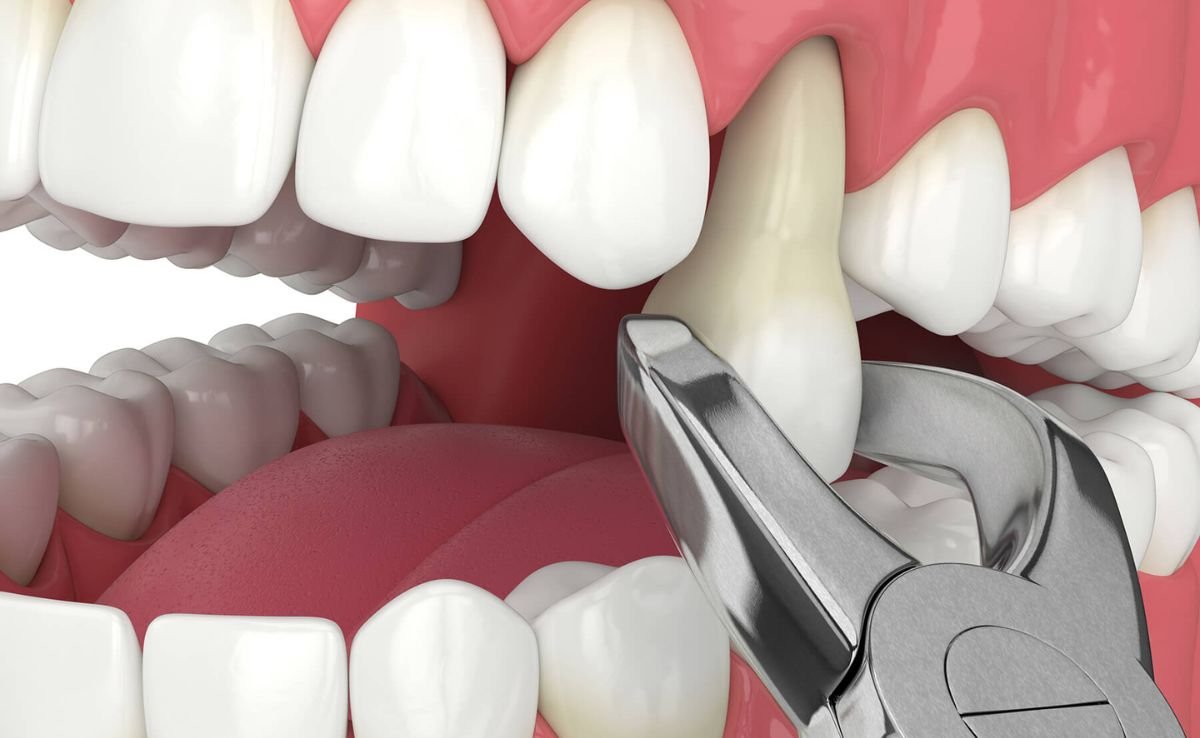
While extraction might seem faster, preserving your natural tooth is always preferable. Root canal treatment maintains your bite, prevents bone loss, and avoids shifting of adjacent teeth. Extraction can lead to more complex and costly treatments like implants or bridges.

Delaying treatment allows infection to spread deeper into your jawbone, increasing the risk of swelling, abscess formation, and permanent tooth loss. Early intervention keeps the procedure simpler and less painful.

Yes, in most cases, a dental crown is necessary to protect the treated tooth, especially for molars or teeth that endure high chewing pressure. A crown helps restore function and prevents fractures.

Although rare, reinfection can occur if the tooth wasn’t sealed properly, the crown becomes loose, or new decay sets in. Regular dental visits help detect any early issues before they become serious.

Don’t Wait Until It Hurts – Book Your RCT Consultation in Senawang Today

Ignoring tooth pain or delaying treatment can lead to severe infections, tooth loss, or even costly surgical procedures. At Cozy T Dental Seremban, we specialise in RCT root canal treatment using modern pain-free techniques.

Our Senawang clinic is trusted by patients across Seremban for our precise care, fast appointments, and transparent pricing. Take the next step toward long-lasting oral health by booking your personalised root canal consultation today, and let our experienced team help you preserve your natural smile.