

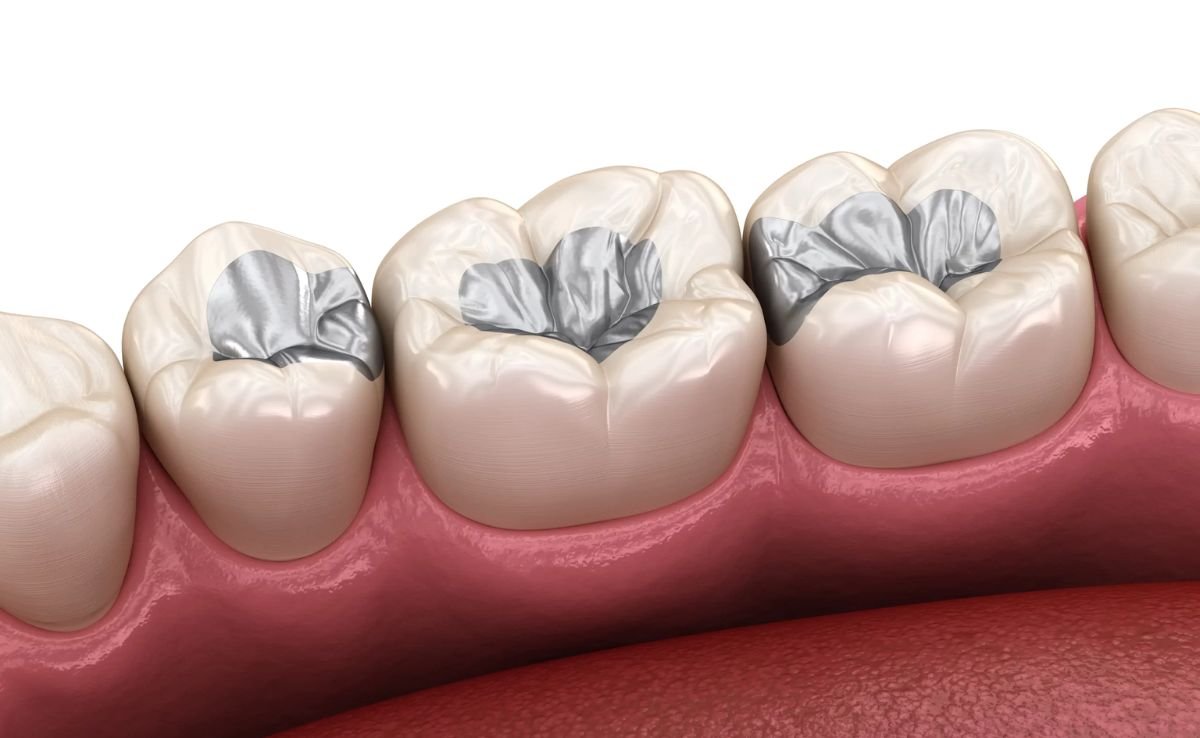
Tooth filling is a simple and effective way to treat a tooth cavity before it becomes more serious. In this guide, we cover the key signs you may need a dental filling, the types of fillings available, and the typical dental filling cost in Malaysia. Whether you’re dealing with early symptoms or exploring treatment options, this overview will help you understand what to expect and make a more informed decision.
What Is a Tooth Filling?
A tooth filling is a dental procedure used to restore a tooth that has been damaged by decay (also known as a tooth cavity). The dentist removes the decayed portion of the tooth and fills the space with a material that restores its shape and function.
Common materials used for dental filling include:
- Composite resin (tooth-coloured)
- Amalgam (silver-coloured)
- Glass ionomer
- Ceramic (in some cases)
Most patients today prefer tooth-coloured fillings because they blend naturally with your teeth.
Signs You May Need a Tooth Filling

Not all cavities are immediately painful, which is why regular dental check-ups are important. However, here are some common signs that you may need a tooth filling:
- Tooth sensitivity to hot, cold, or sweet foods
- Visible holes or dark spots on your teeth
- Pain when biting or chewing
- Persistent toothache
- Food frequently getting stuck in the same area
If you notice any of these symptoms, it’s best to treat the tooth cavity early before it worsens.
What Causes a Tooth Cavity?
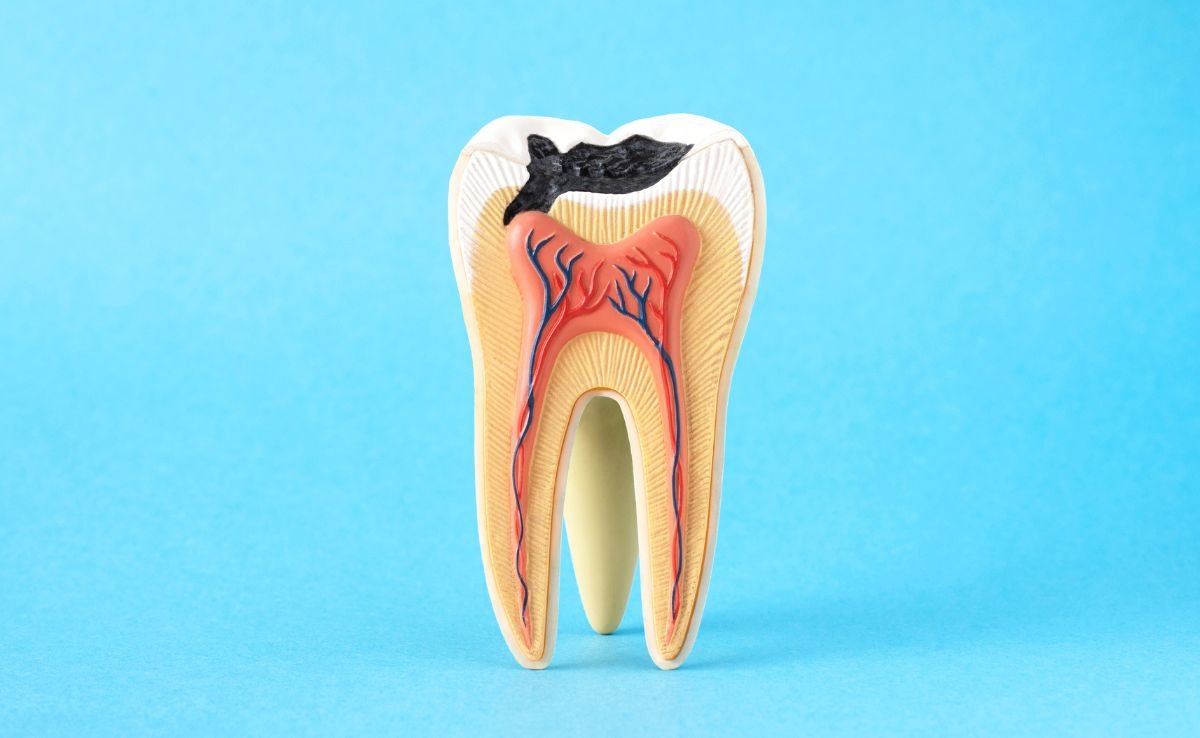
A tooth cavity forms when plaque builds up on your teeth and produces acids that gradually erode the enamel. Over time, this leads to decay and damage.
Common causes include:
- Poor oral hygiene
- Frequent consumption of sugary or acidic foods
- Skipping regular dental cleanings
- Dry mouth (reduced saliva)
Left untreated, a small cavity can develop into a more serious issue requiring root canal treatment or even extraction.
Types of Dental Filling Available
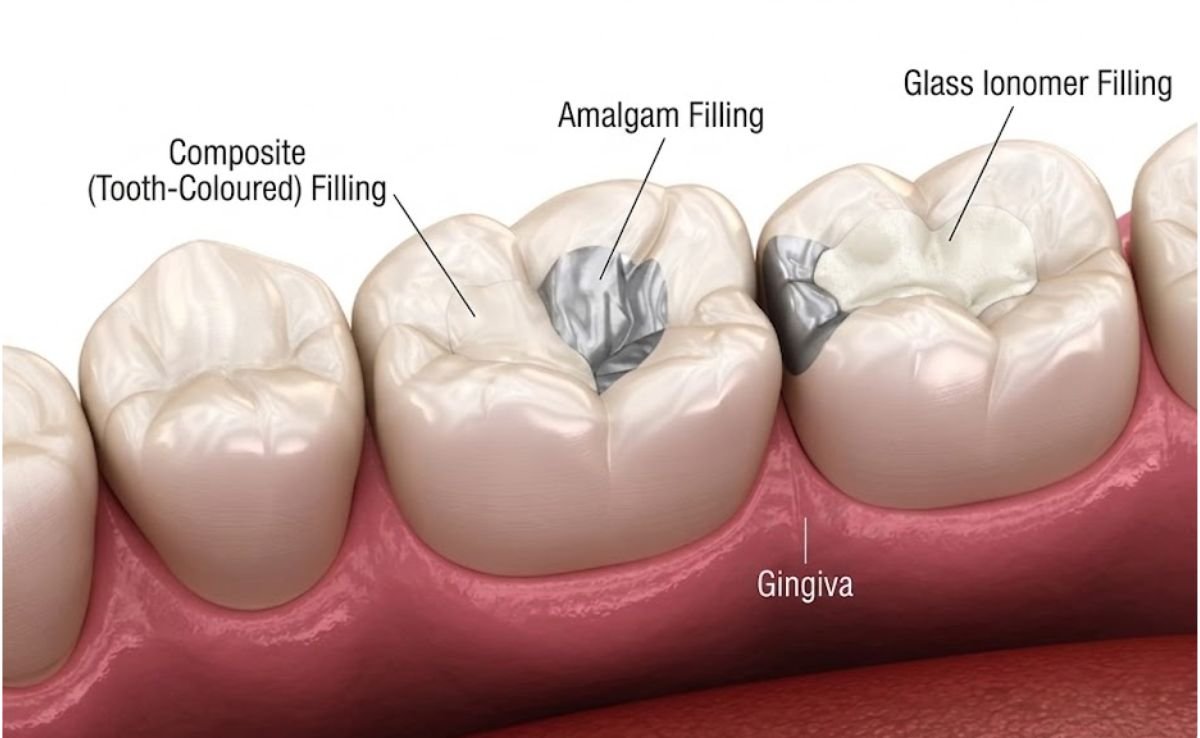
When it comes to dental filling options in Malaysia, your dentist will usually recommend based on your needs, budget, and tooth condition.
Composite (Tooth-Coloured Fillings)
- Matches your natural tooth colour
- Ideal for visible areas
- Moderately durable
Amalgam Fillings
- Strong and long-lasting
- More affordable
- Noticeable silver appearance
Glass Ionomer Fillings
- Releases fluoride (helps prevent further decay)
- Suitable for children or small fillings
- Less durable than composite
Each type has its pros and cons, but for most adults, composite fillings are the most popular choice due to aesthetics.
Tooth Filling Cost in Malaysia

The dental filling cost in Malaysia can vary depending on several factors, but here’s a general guide:
- Basic filling (small cavity): RM100 – RM250
- Moderate cavity: RM250 – RM400
- Larger or more complex cases: RM400+
Factors that influence cost include:
- Size and severity of the tooth cavity
- Type of dental filling material used
- Location of the tooth
- Clinic expertise and equipment
While it may be tempting to delay treatment, addressing a cavity early is always more cost-effective than dealing with advanced decay later.
What to Expect During a Tooth Filling Procedure

If it’s your first time getting a tooth filling, here’s a simple breakdown of what usually happens:
- Examination and diagnosis
The dentist checks your teeth and may take X-rays to assess the cavity. - Numbing the area
A local anaesthetic is used to ensure the procedure is comfortable. - Removing the decay
The damaged part of the tooth is cleaned out. - Filling the tooth
The dental filling material is applied and shaped. - Polishing and finishing
The filling is smoothed out for a natural feel and bite.
The entire process is usually quick and can often be completed in one visit.
Aftercare Tips for Dental Fillings

Taking care of your filling is essential to ensure it lasts as long as possible.
Here are some simple tips:
- Avoid very hard or sticky foods for the first 24 hours
- Maintain good oral hygiene (brush and floss daily)
- Visit your dentist regularly for check-ups
- Consider professional cleaning to prevent future cavities
With proper care, most dental fillings can last for many years.
Tooth Filling vs Other Treatments
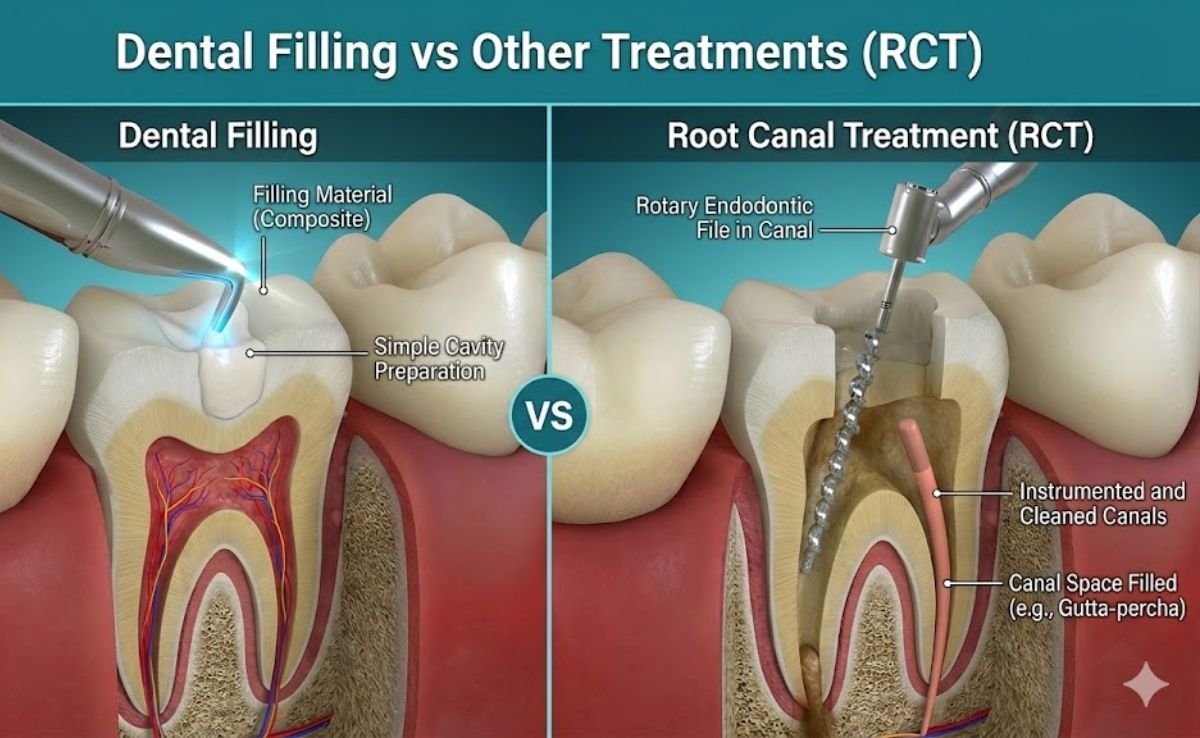
A tooth filling is typically the first line of treatment for cavities, but if decay progresses, other treatments may be needed:
- Root canal treatment: For deeper infections affecting the tooth nerve
- Dental crown: For severely damaged teeth
- Extraction: When the tooth cannot be saved
This is why early intervention is key—treating a tooth cavity early with a simple filling can help you avoid more complex procedures.