


You are in the car park outside the clinic. The appointment is in ten minutes, and your child has decided, with total conviction, that they are not getting out of the car.
If that scene feels familiar, you are not alone. A child scared of the dentist is one of the most common situations Malaysian parents bring through our door, and it is almost never a sign that anyone has done anything wrong. Fear of dental treatment is a normal response to an unfamiliar room, unfamiliar sounds, and a stranger asking to look inside the one place a child instinctively protects.
What matters is what happens next. Handled gently, a frightened five-year-old usually grows into a teenager who books their own check-ups without a second thought. Handled badly, that same fear hardens, follows them into adulthood, and quietly costs them their teeth.
This guide covers why children develop dental fear, what to say before the appointment, seven things you can try at home, and what your options are when your child is frightened but already needs treatment.
Is It Normal for a Kid to Be Scared of the Dentist?
Yes. Nervousness before a dental visit is so common among children that its absence is more unusual than its presence. Most of it is mild, most of it fades with familiarity, and most of it responds well to preparation.
What is worth understanding is the difference between fear and phobia, because parents often use the words interchangeably and the two need very different responses.
Fear is proportionate. Your child is uneasy in the waiting room, quiet in the chair, and back to normal in the car. They may not enjoy it, but they get through it.
Dental phobia is disproportionate and persistent. It shows up as sleeplessness the night before, physical panic in the waiting room, or an outright refusal that no amount of reassurance shifts. It leads to avoidance, and that avoidance is the problem.
Most children fall firmly into the first category. A small number do not, and those children need a slower, more deliberate approach rather than more persuasion.
When Fear Turns Into Avoidance
Here is the pattern we see in the chair, and it rarely starts in adulthood.
A child has one frightening visit. The next appointment gets postponed. Small problems that a filling would have solved grow into problems that need extraction. By the time the pain forces the issue, the treatment required is more invasive, which confirms the original fear and deepens it.
The Ministry of Health’s Oral Health Programme makes the same point about Malaysians generally: many people only see a dentist once something hurts, often believing they are saving money, when in fact delayed problems cost more and take longer to treat.
A child cannot break that cycle on their own. An adult has to break it for them.
Why Is My Child Afraid of the Dentist?
Children rarely announce the reason. They just resist. In our experience, the resistance almost always traces back to one of six things.
Fear of the Unknown
A dental surgery is a sensory ambush for a small person. Bright overhead light, an unfamiliar smell, a chair that moves on its own, and instruments they cannot name. Children fill gaps in information with imagination, and imagination is rarely kind.
Loss of Control
Lie back. Open wide. Stay still. Every instruction we give a child in the chair asks them to surrender control at the exact moment they most want it. Some children resist the dentistry. Many are actually resisting the powerlessness.
A Previous Bad Experience
One rushed appointment, one moment of pain that nobody warned them about, or one adult who dismissed their distress can shape a child’s expectations for years. Children remember how an appointment felt long after they have forgotten what was done.
Second-Hand Fear
Children read adults with uncomfortable accuracy. A parent who dreads their own check-up, who sighs about the cost, or who tells a nervous story at the dinner table hands that anxiety straight to the child.
You do not need to pretend to enjoy the dentist. You do need to be careful about performing your dread in front of a child who is watching you closely.
The "Nanti Doktor Cabut Gigi" Threat
This one is worth naming, because it is almost universal in Malaysian households and almost never intentional.
“Kalau tak gosok gigi, nanti doktor cabut gigi.”
It works. The child brushes. It also teaches them that the dental clinic is where punishment is administered, and that the person in the white coat is the one administering it. Years later, that child sits in our chair convinced we are there to hurt them, and they are not entirely wrong to think so. Somebody told them exactly that.
Never use a dental visit as a threat. Not for brushing, not for sweets, not for anything.
Only Going When Something Already Hurts
If every dental visit your child has ever had began with a toothache, they have learned that dentists are associated with pain. They are drawing a reasonable conclusion from the evidence available to them.
The fix is unglamorous: bring them when nothing is wrong.
What to Say Before the Appointment
The words you choose in the week before a visit matter more than anything that happens in the waiting room. The goal is honesty without alarm.
Words to Avoid, Words to Use
| What to Avoid | What to Use Instead |
|---|---|
| Pain, hurt (sakit) | Feeling, pressure (rasa, tekan sikit) |
| Needle, injection (jarum, cucuk) | Sleepy medicine for your tooth (ubat tidur untuk gigi) |
| Drill (gerudi) | Tooth cleaner, special toothbrush (berus khas) |
| Pull your tooth (cabut gigi) | Wiggle your tooth (goyang gigi) |
| "It won't hurt at all" | "You might feel something. Tell me if you do." |
| "Don't be scared" | "It's new. Feeling nervous is okay." |
Notice what “it won’t hurt” actually does. It introduces the concept of hurt to a child who had not considered it, and it makes a promise you cannot keep. If they then feel anything at all, they conclude you lied.
How Much Should You Tell Them?
Less than you think.
Explain that the dentist is going to count their teeth and check that they are healthy. That is enough. Long, detailed explanations signal that this is a big deal requiring extensive preparation, and children draw the obvious inference.
Tell them a day or two beforehand, not a week. And never surprise a child with treatment they were not told about. The loss of trust costs far more than the tantrum you avoided.
How to Not Be Scared of the Dentist: Seven Things to Try at Home
Start Early
The first visit should happen when the first tooth appears, or around the first birthday. The Ministry of Health’s preschool oral health programme, which has run in Malaysian kindergartens since 1984, is built around exactly this friendly, non-invasive early exposure.
Play Pretend to be a Dentist
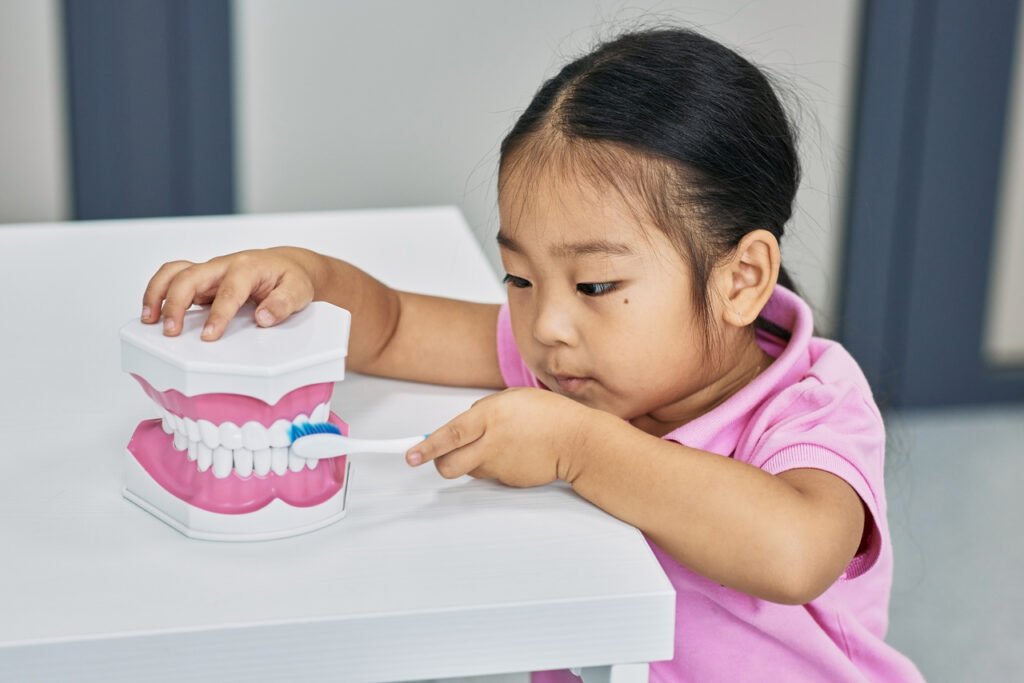
Use a toothbrush and a soft toy. Let your child be the dentist. Count the toy’s teeth, then let them count yours. Having play time like this makes familiarity do most of the work.
Read or Watch Something
Reading a picture book or watching a short cartoon about a dental visit gives your child a script for what is coming when they go for a dental appointment.
Let Them Observe
If an older sibling or a calm parent has a check-up, bring your child along to watch, with nothing expected of them.
Book Morning Appointments
Book an appointment at the dentist in the morning for your child’s visit. After a full night’s sleep and breakfast. Way later in the day, you can expect a tired, hungry child at 4pm to not show you dental fear. They are just showing you that it is 4pm.
Bring Something Familiar.
Having a soft toy, a blanket, or headphones provides the kid with some comfort from familiarity. Ask the clinic first, but most dental clinics will welcome it. Upon your visit, your child will likely associate a visit to the dentist as something positive.
Praise the Attempt, Not the Outcome.
Bribery backfires, because a reward for not crying tells a child that crying was the expected response. Instead, praise what they actually did: they walked in, they sat down, and they opened their mouth.
My Child is Scared of the Dentist but Needs Treatment. What Now?
This is the hardest version of the problem, and the one nobody prepares parents for. The tooth is decayed, and it needs attention, but your child will not cooperate. How do you handle this?
Do Not Wait for the Pain to Decide for You
The instinct is to postpone until the child is calmer. In practice, the child does not get calmer, the tooth gets worse, and the eventual treatment is longer, more invasive, and far more likely to confirm every fear they had. Early, simple treatment is the kindest option available. It is also the one with the shortest appointment.
Tell, Show, Do
This is the backbone of paediatric behaviour management, and it works because it removes surprise. The dentist tells the child what will happen, in language they understand. Then shows them the instrument, lets them touch it, and runs it on a fingernail. Then, and only then, will the dentist do the procedure. Nothing enters a child’s mouth that they have not already seen and heard.
Give Your Child a Stop Signal
We agree on a signal before we begin. Usually a raised left hand. When the hand goes up, we stop, every time, without negotiation.This sounds small. It is the single most effective thing we do. A child who knows they can stop the procedure almost never needs to.
When Sedation is Considered
For most anxious children, none of this is necessary. Preparation and pacing are enough.
Where a child genuinely cannot cooperate and treatment cannot safely wait, options exist. Government paediatric dental services, such as the paediatric dentistry unit at Hospital Kuala Lumpur, provide treatment under oral sedation or nitrous oxide, and under general anaesthesia in an operating theatre for more complex cases.
Sedation is a clinical decision, not a convenience. It is discussed with you, never sprung on you, and it is the last option considered rather than the first.
What If the Visit Does Not Go to Plan?
Then it just does not go to plan. If your child sits in the chair and refuses to open their mouth, that is not a failed appointment. They entered the building, met the team, saw the room, and left without anything bad happening. That is precisely the memory we want them to carry into the next visit. Resist the urge to scold in the car. Talk about what went well.
What Happens at a First Visit to Cozy T Dental Clinic
For an anxious child, we plan the first appointment around familiarity rather than treatment.
There is no rush. We introduce ourselves before we introduce any instrument. Your child sits in the chair with it upright before we recline it. We count teeth with a mirror, we explain the light before we switch it on, and if they want to hold the mirror themselves, they can.
Often we do nothing clinical at all on the first visit. That is a deliberate choice, not a wasted appointment.
Tell us when you book that your child is nervous. It changes how we schedule the slot, how long we allow, and who greets you at the door.
Should You Stay in the Room?
Usually, yes, particularly for younger children and first visits. Sit where your child can see you, and let us do the talking. Two adults giving instructions at once is more overwhelming than one.
For older children who have been before, stepping out sometimes helps them build their own relationship with the dental team. We will discuss it with you rather than decide for you.
When to Seek Extra Help
Most childhood dental fear resolves with patience, though there are some fears that do not.
Consider speaking to us, or asking for a referral to a paediatric dental specialist, if your child shows persistent distress that does not improve across several visits, panics before appointments, or refuses treatment to the point where their oral health is suffering.
Frequently Asked Questions
When the first tooth appears, or by their first birthday, whichever comes first. Early visits are short and mostly informational. Their real purpose is to make the clinic feel ordinary long before any treatment is needed.
Completely normal, and not a reason to stop bringing them. Crying is how young children express uncertainty. What matters is that the appointment ends calmly and that nobody, including you, treats the crying as a failure.
Not safely, and we will not force it. What we can do is shorten the visit, build familiarity across several appointments, and use behaviour management techniques such as tell-show-do. If treatment is urgent and cooperation is not possible, sedation options are discussed with you.
When clinically indicated and properly administered, yes. Nitrous oxide is mild and wears off within minutes. Deeper sedation and general anaesthesia are reserved for extensive treatment or children who cannot cooperate, and are provided in appropriate clinical settings.
Both work. Government clinics are heavily subsidised and follow the same clinical standards. Private clinics usually offer shorter waits and longer appointment slots, which helps when a child needs an unhurried, gently paced visit. Choose based on your child’s needs and your circumstances.
Do not perform your dread in front of them. Avoid telling stories about painful appointments, do not sigh about the visit, and if you are nervous yourself, say nothing rather than saying something reassuring in an anxious voice. Children hear the voice, not the words.
Calm Your Child's Fears with Cozy T Dental
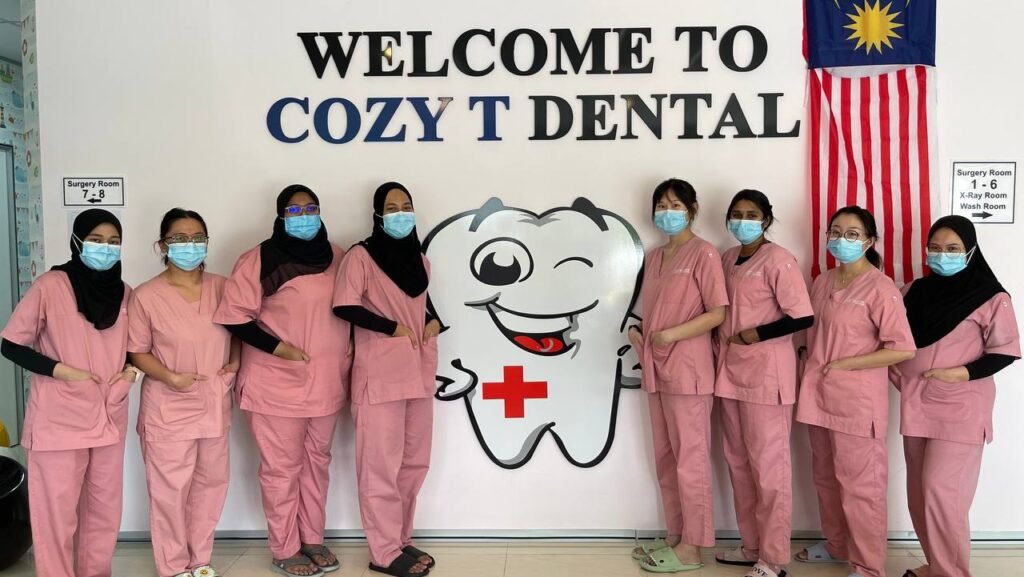
The children who cope best at Cozy T Dental in Senawang are rarely the bravest ones. They are the ones whose parents did not warn them it would hurt, did not use the dentist as a threat, and brought them in before anything was wrong.
If your child is scared of the dentist right now, that fear is not a verdict on your parenting or a permanent feature of their character. It is information. It tells you where to start.
Start with a visit where nothing happens. Book it in the morning, tell us they are nervous, and let them leave having discovered that the room was ordinary and the people in it were kind.
Everything else follows from that.