

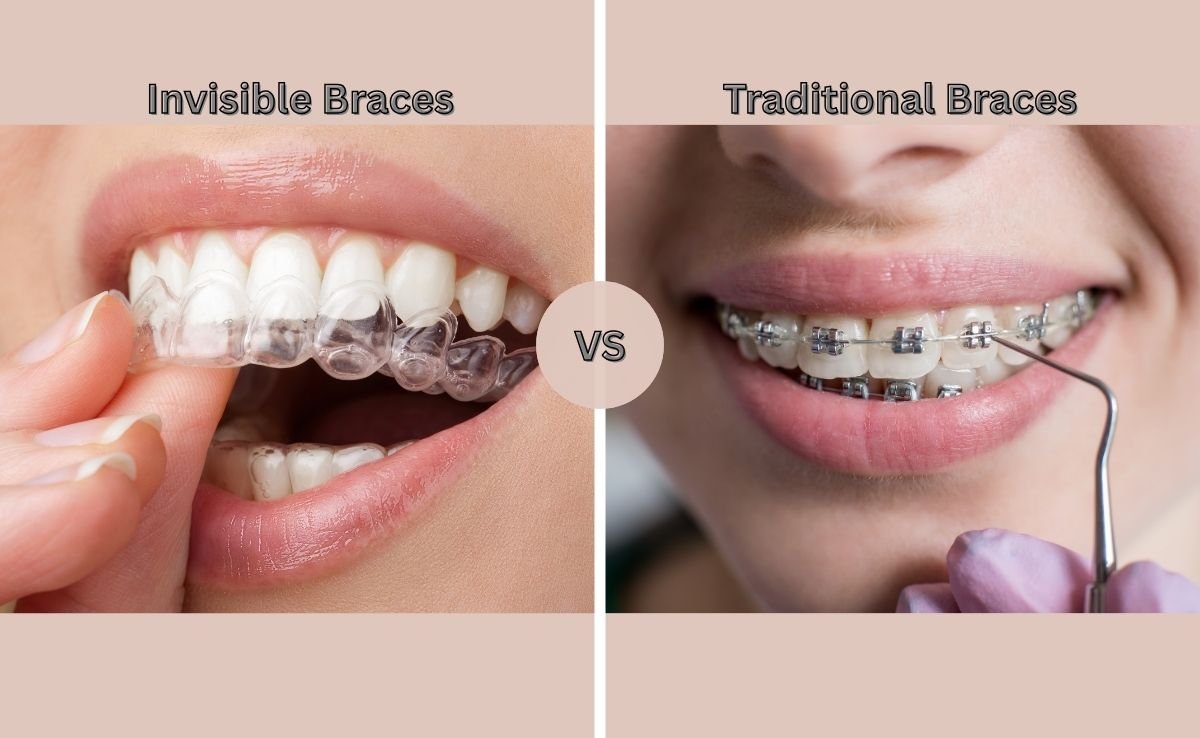
Invisible braces and traditional braces are both effective solutions for straightening teeth, but they differ in appearance, comfort, cost, and suitability. Invisible braces (clear aligners) offer a discreet and flexible option for mild to moderate cases, while traditional braces remain a reliable choice for more complex dental issues. In this guide, we compare both options across key factors like effectiveness, maintenance, and invisible braces cost in Malaysia to help you decide which fits your needs best.
What Are Invisible Braces?
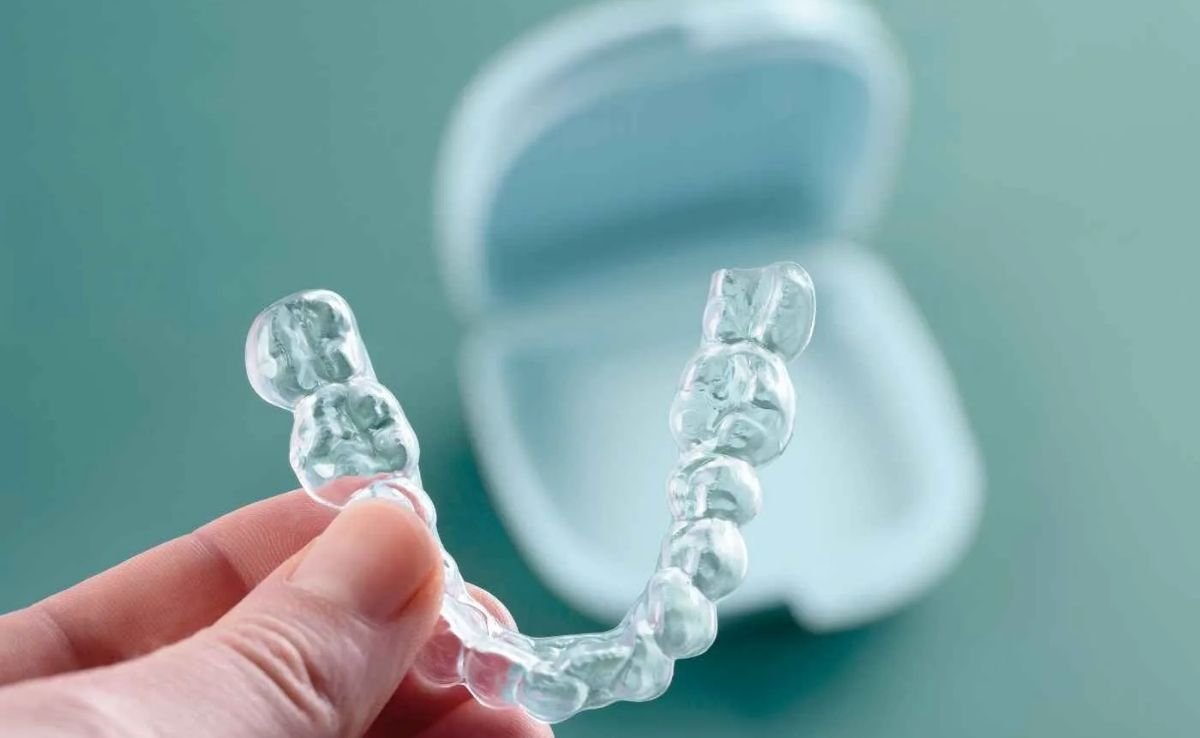
Invisible braces, often known as clear aligners, are transparent, removable trays designed to gradually shift your teeth into place. They are custom-made and typically replaced every couple of weeks as your teeth move.
Here’s why many people prefer them:
- Nearly invisible when worn
- Removable for eating and cleaning
- More comfortable (no wires or brackets)
- Fewer dental visits required
Clear aligners in Malaysia have become increasingly popular, especially among working adults and teens who want a discreet option without compromising their appearance.
What Are Traditional Braces?
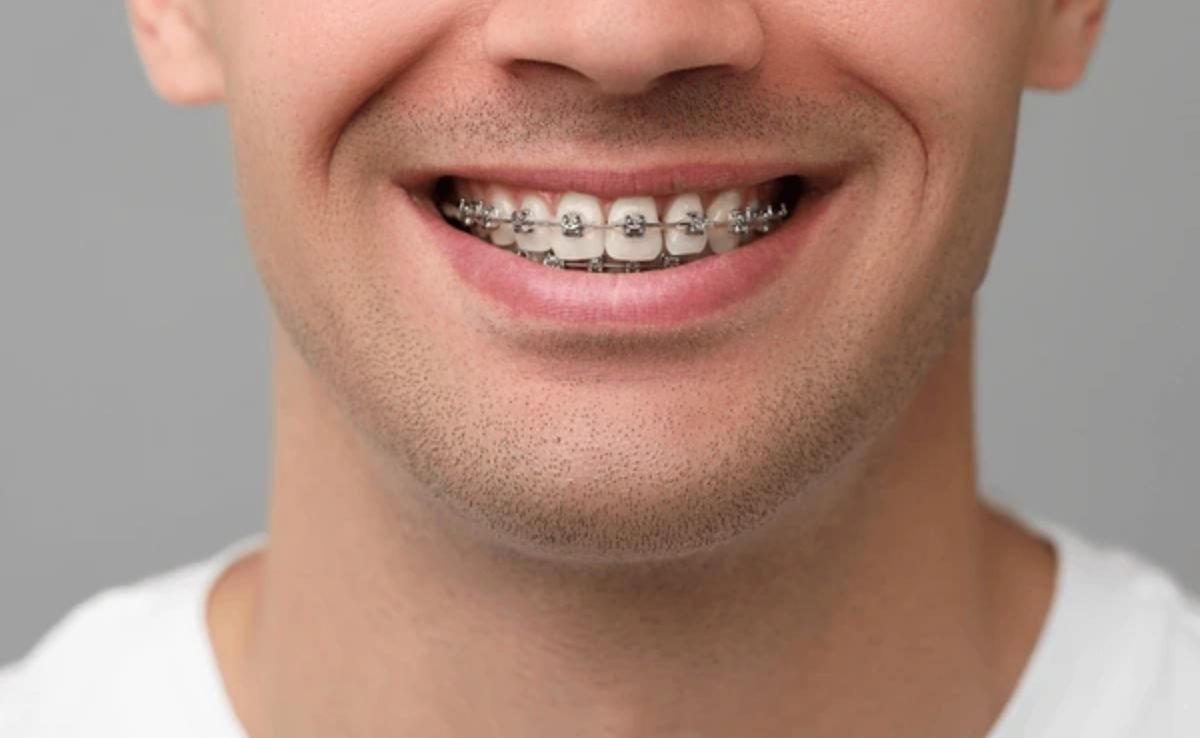
Traditional braces use metal brackets and wires that are fixed to your teeth. Over time, your dentist adjusts the wires to guide your teeth into the correct position.
They’re still widely used because they are:
- Highly effective for complex dental issues
- Fixed in place (no risk of forgetting to wear them)
- Typically more affordable upfront
- Suitable for all age groups
While they are more visible, modern braces have become smaller and more comfortable compared to older designs.
Invisible Braces vs Traditional Braces: Key Differences
Appearance and Aesthetics
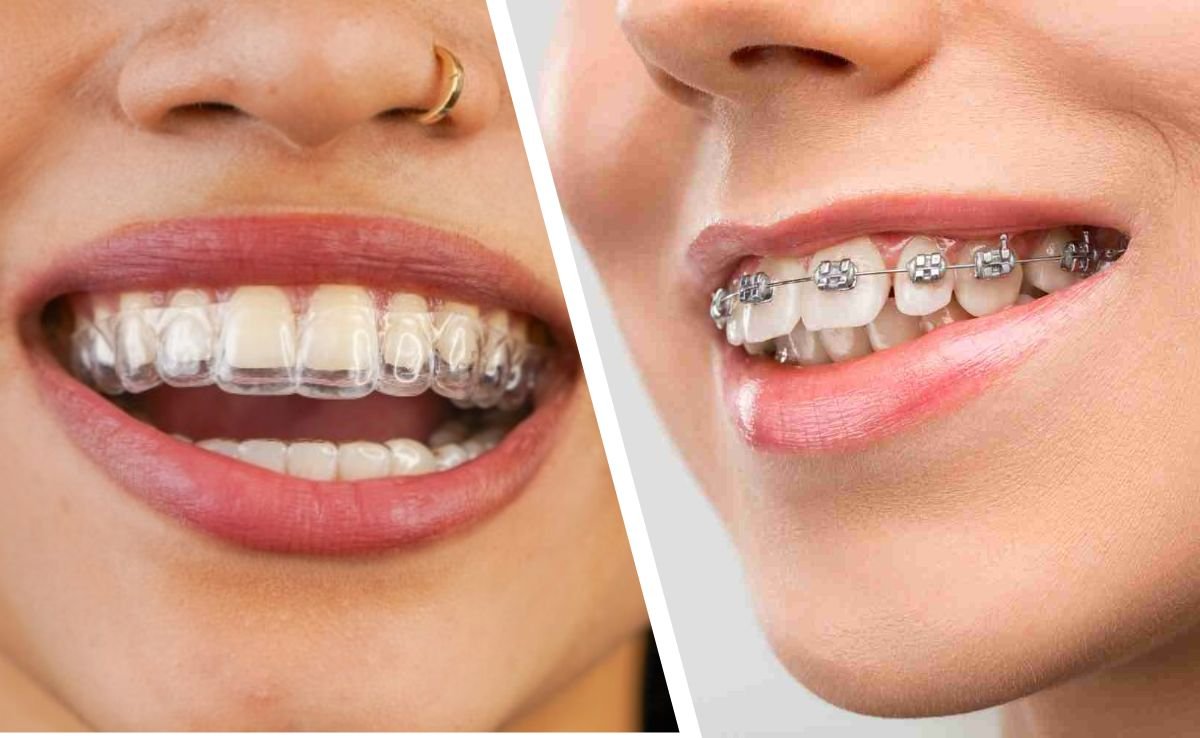
This is usually the biggest deciding factor.
- Invisible braces: Clear and barely noticeable
- Traditional braces: Visible metal brackets and wires
If you’re concerned about how your smile looks during treatment—especially for work or social reasons—invisible braces are often the preferred choice.
Comfort and Convenience
Comfort can vary depending on your tolerance and lifestyle.
- Invisible braces: Smooth plastic trays, less irritation
- Traditional braces: May cause discomfort from wires and brackets
With clear aligners, you can also remove them when eating or brushing, which makes daily routines much easier.
Effectiveness
Both options work well, but it depends on your dental condition.
- Invisible braces: Best for mild to moderate alignment issues
- Traditional braces: Better for complex cases (severe crowding, bite issues)
Your dentist will usually recommend the most suitable option based on your teeth.
Maintenance and Hygiene
Oral hygiene is easier with removable aligners.
- Invisible braces:
- Remove before eating
- Brush and floss normally
- Clean trays regularly
- Traditional braces:
- Food can get stuck in brackets
- Requires more careful brushing
- May need special tools (like interdental brushes)
If convenience matters to you, invisible braces have a clear advantage here.
Treatment Time
Treatment duration varies depending on complexity, but generally:
- Invisible braces: 6–18 months
- Traditional braces: 12–24 months
Consistency is key. With clear aligners, you need to wear them for at least 20–22 hours a day to stay on track.
Invisible Braces Cost in Malaysia
Cost is often a major consideration when choosing between options.
Here’s a rough idea:
- Invisible braces cost: RM7,000 – RM20,000+
- Traditional braces: RM5,000 – RM10,000+
The higher cost of invisible braces reflects the custom technology, materials, and convenience they offer.
Factors that affect pricing include:
- Complexity of your case
- Length of treatment
- Type of aligner system used
- Dental clinic expertise
While clear aligners in Malaysia may seem more expensive, many patients find the added comfort and aesthetics worth the investment.
Who Should Choose Invisible Braces?
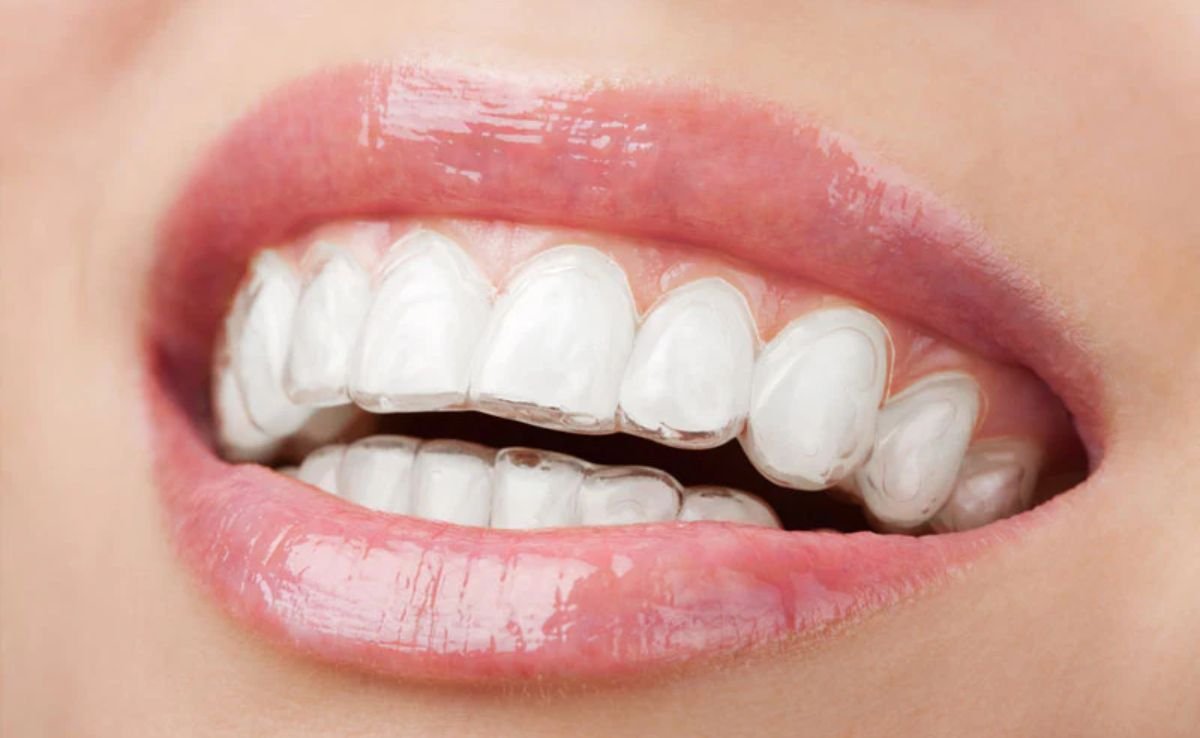
Invisible braces are a great fit if you:
- Want a discreet orthodontic option
- Have mild to moderate alignment issues
- Can commit to wearing aligners consistently
- Prefer flexibility in eating and cleaning
They’re especially popular among professionals and adults who want subtle treatment.
Who Should Choose Traditional Braces?
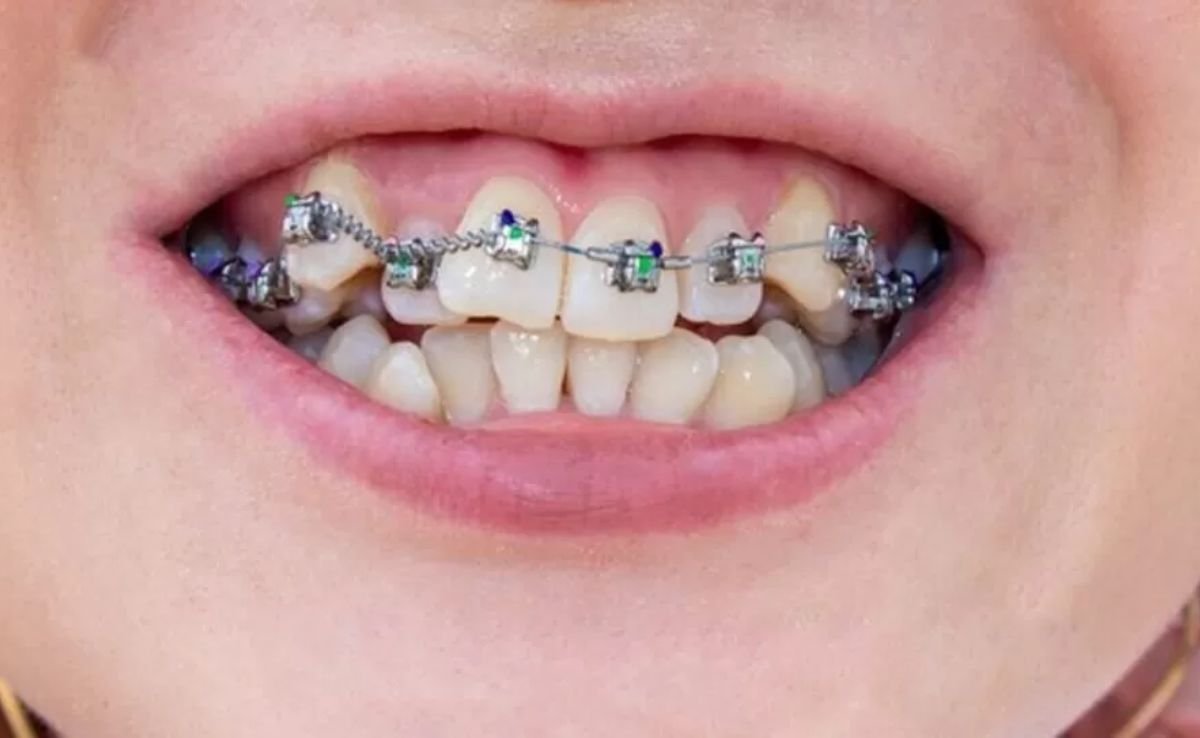
Traditional braces may be better if you:
- Have more complex dental issues
- Prefer a fixed solution (no need to remember to wear them)
- Are working within a tighter budget
- Don’t mind visible braces
They remain one of the most reliable and effective orthodontic treatments available.