

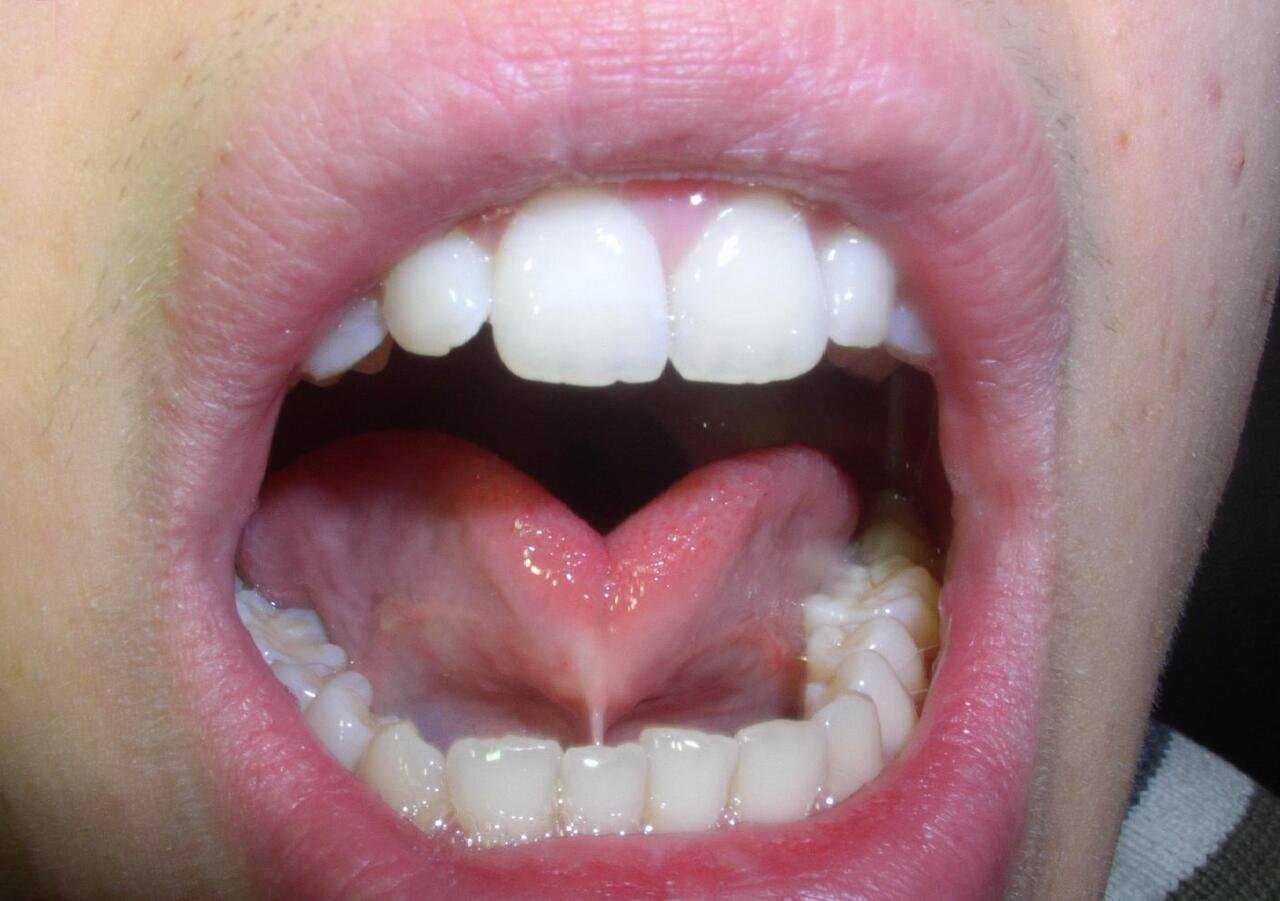
If your baby is struggling to breastfeed, your toddler has a speech delay, or you have been told as an adult that you may have a tongue tie — you are likely being introduced to terms like frenotomy and frenulectomy for the first time. These two procedures are both forms of tongue tie release surgery, but they differ in how they are performed, who they are suited for, and what recovery looks like.
This guide breaks down everything parents and adults need to know to feel informed and confident before stepping into a consultation.
What Is a Tongue Tie?

A tongue tie, medically known as ankyloglossia, occurs when the lingual frenulum — the small band of tissue connecting the underside of the tongue to the floor of the mouth — is too short, tight, or thick. This restricts how freely the tongue can move, and depending on severity, it can interfere with a wide range of functions.
In infants, the most common sign is difficulty latching during breastfeeding. In toddlers and older children, it often presents as a speech impediment or delayed speech development. In adults, a previously undiagnosed tongue tie can contribute to jaw tension, mouth breathing, poor sleep quality, and even difficulties with eating certain foods.
Anterior vs Posterior Tongue Ties
Not all tongue ties look the same. Anterior tongue ties are visible near the tip of the tongue and are easy to identify. Posterior tongue ties sit deeper beneath the tongue’s surface and are often missed without a thorough clinical examination. Both can affect function and may require treatment.
What Is a Frenotomy?
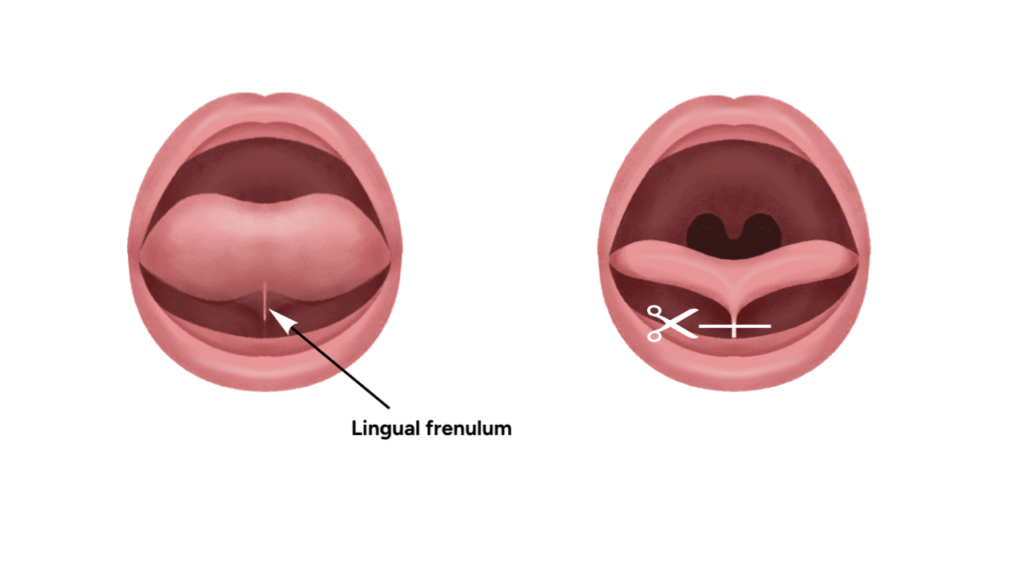
A frenotomy is the simpler of the two procedures. It involves making a small, precise cut through the frenulum to release the restriction. The procedure is quick — often completed in under five minutes — and in newborns, it can typically be done without any anaesthesia due to the limited nerve supply in that area of tissue.
Who Is a Frenotomy Suitable For?
Before treatment begins, your dentist uses a digital scan of your teeth to map out the full movement plan. A series of aligners are then produced, each designed to apply gentle pressure to specific teeth at specific stages. You wear each set of trays for at least 20 to 22 hours per day for the treatment to stay on track.
What to Expect After a Frenotomy
Mild bleeding is normal immediately after the procedure and typically resolves quickly. Infants may be unsettled for a short period but usually settle once feeding resumes. Parents are usually guided through a set of gentle stretching exercises to prevent reattachment of the tissue during healing.
What Is a Frenulectomy?
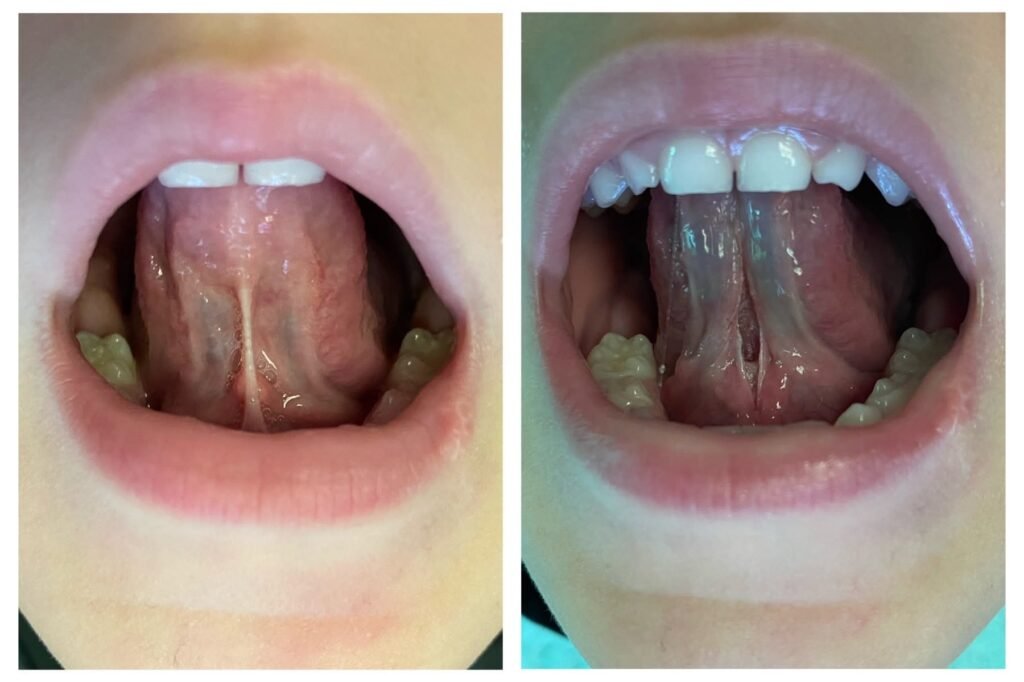
A frenulectomy — sometimes called a frenectomy — is a more involved procedure. Rather than simply cutting the frenulum, a section of the tissue is surgically removed. This is typically recommended when the frenulum is thicker, wider, or more complex in structure, where a simple snip would be insufficient or the risk of reattachment is higher.
Who Is a Frenulectomy Suitable For?
Frenulectomy is more commonly performed on older children and adults, where the frenulum has had time to develop into denser tissue. It is also the preferred approach when a posterior tongue tie is being addressed, or when a previous frenotomy has resulted in reattachment. The procedure requires local anaesthesia and, in some cases, sutures to close the site.
What to Expect After a Frenulectomy
Recovery is slightly longer than with a frenotomy, with some soreness and swelling expected for a few days. Most patients manage well with over-the-counter pain relief. Post-operative stretching exercises are important to ensure proper healing and prevent the tissue from reattaching. In older children and adults, myofunctional therapy — a set of targeted tongue and mouth muscle exercises — is often recommended alongside the procedure to retrain the tongue’s movement patterns.
Frenotomy vs Frenulectomy: Key Differences at a Glance
Both procedures achieve the same goal — releasing a restricted tongue tie — but they differ in the following ways:
Frenotomy involves a simple cut of the frenulum, requires little to no anaesthesia in infants, takes only a few minutes, and suits newborns and young infants with thin, straightforward ties. Recovery is rapid.
Frenulectomy involves the removal of a section of frenulum tissue, requires local anaesthesia, takes slightly longer, and is better suited to older children and adults with thicker or more complex ties. Recovery involves a few days of mild discomfort.
Your dental provider will assess the structure and severity of the tongue tie before recommending which procedure is appropriate for you or your child.
Tongue Tie Surgery: Laser vs Conventional Methods
Both frenotomy and frenulectomy can be performed using either conventional surgical scissors or a dental laser, and the method matters.
Conventional scissors are fast and effective, particularly for infant frenotomies. They are widely used and carry a strong track record of safety.
Laser tongue tie surgery uses a focused beam of light to cut and simultaneously cauterise the tissue. This means less bleeding, reduced risk of infection, and often a more comfortable experience — particularly for older patients. At Cozy T Dental, we offer laser-assisted tongue tie release surgery for patients of all ages, providing a precise and gentle treatment experience with faster healing.
Tongue Tie Surgery Cost in Malaysia
Tongue tie surgery cost in Malaysia depends on several factors: the type of procedure, the method used (conventional vs laser), the complexity of the case, and whether follow-up myofunctional therapy is included in the treatment plan.
Laser procedures generally carry a slightly higher cost than conventional methods, reflecting the technology and precision involved. That said, for many families, the reduced recovery time and improved comfort make it a worthwhile investment.
At Cozy T Dental Seremban, we provide transparent pricing during your consultation so you understand exactly what is involved before any treatment begins. There are no surprises.
Signs Your Child (or You) May Need Tongue Tie Release
For infants and babies, look out for difficulty latching during breastfeeding, poor weight gain, excessive wind or colic during feeding, clicking sounds while nursing, and a frustrated or unsettled feeding experience for both mother and baby.
For toddlers and older children, signs include unclear speech or persistent lisping, difficulty pronouncing certain sounds, food sensitivities related to chewing, and a history of delayed speech milestones.
For adults, indicators may include jaw tension, difficulty touching the roof of the mouth with the tongue, snoring or disrupted sleep, and challenges with certain speech sounds that have persisted since childhood.
If any of these resonate with you, it is worth getting an assessment. Many adults discover a tongue tie only after years of managing symptoms they did not realise were connected.
The Role of Myofunctional Therapy
For older children and adults undergoing tongue tie release surgery, the procedure alone is often just the beginning. Years of restricted movement means the tongue has learned compensatory patterns — and those habits do not automatically disappear once the frenulum is released.
Myofunctional therapy involves guided exercises that retrain the tongue and oral muscles to move correctly. It supports clearer speech, better swallowing mechanics, improved tongue posture, and reduced jaw tension. When combined with tongue tie surgery, it significantly improves long-term outcomes.
Get Expert Tongue Tie Assessment at Cozy T Dental Seremban

At Cozy T Dental, we have extensive experience performing tongue tie release for patients of all ages — from newborns to adults. Our team takes a thorough, personalised approach to every case: assessing the type and severity of the tie, recommending the most appropriate procedure, and supporting you through recovery and aftercare.
We use laser-assisted techniques for greater precision and patient comfort, and we are committed to making sure you feel informed and at ease every step of the way.