


If you’re noticing gum swelling and pain, especially near one tooth or without any obvious injury, it could be an early sign of gingivitis. This common but often overlooked condition is one of the first stages of gum disease, and the earlier it’s treated, the better your outcome. The good news? Gingivitis is completely reversible with the right care.
At Cozy T Dental Seremban, we offer advanced laser gum treatments designed to target inflammation with minimal discomfort. Whether your gums bleed when brushing or feel tender when chewing, don’t ignore the signs; they could be warning you about something more serious.
What Causes Gum Pain and Swelling (Even If It Doesn’t Hurt Yet)?
Yes, gum swelling and pain can be a sign of gingivitis. It is the earliest stage of gum disease and one of the most common causes of gum swelling and pain. It happens when plaque and bacteria build up along your gum line, leading to inflammation. In its early stages, it may not be painful at all. You might simply notice red, puffy gums or bleeding when you brush.
But just because it doesn’t hurt (yet) doesn’t mean it’s harmless.
What Is Gingivitis and Why Should You Care?
Gingivitis is the earliest stage of gum disease and can silently progress into more severe conditions like periodontitis, which damages the bone that holds your teeth in place.
If left untreated, plaque can harden into tartar, a rough surface that traps even more bacteria and accelerates the gum damage. Furthermore, gingivitis has been linked to serious systemic conditions like diabetes, heart disease, and even stroke. That’s because the inflammation in your gums can spread to other parts of your body through your bloodstream.
Professional dental cleanings, improved brushing and flossing habits, and sometimes the use of antibacterial mouth rinses can stop gingivitis in its tracks.
Here are some common causes of gum swelling and irritation:
- Food particles trapped between teeth or under the gumline cause localised inflammation.
- Hormonal changes (during pregnancy, puberty, or menstruation) that increase gum sensitivity and inflammation.
- Smoking that reduces blood flow to the gums and slows the healing process.
- Poorly fitted dental appliances, like braces or dentures, that rub or irritate the gum tissue.
- Medical conditions, such as diabetes, weaken your immune response and make it harder for your gums to heal.
How Gingivitis Is Treated at Cozy T Dental, Senawang
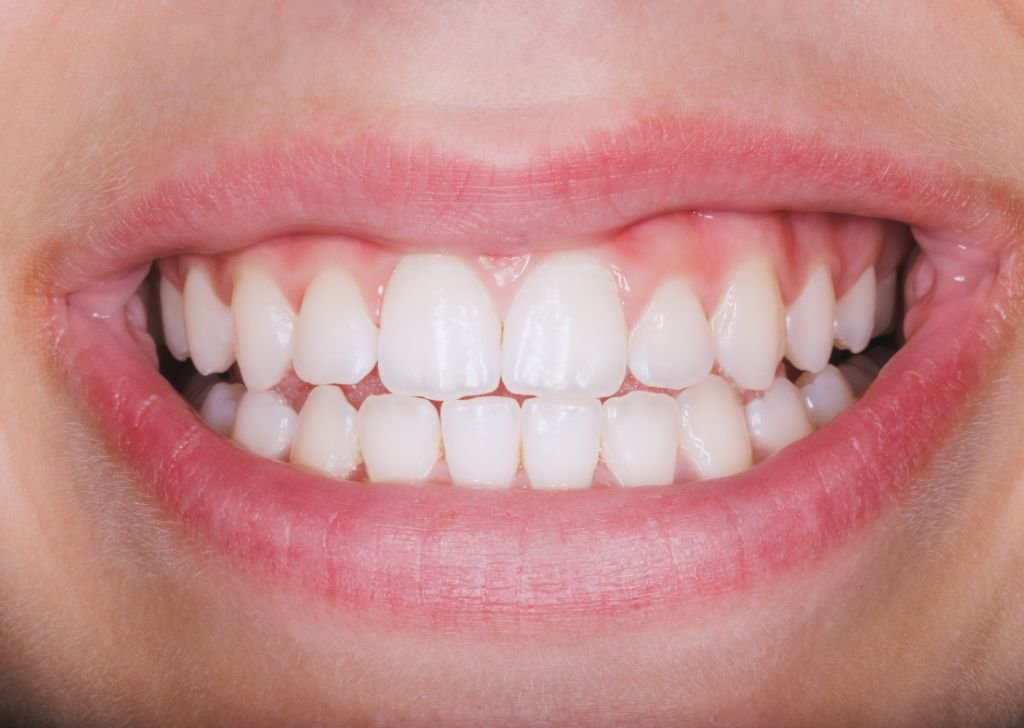
At Cozy T Dental Senawang, we use a personalised approach based on the severity of your symptoms and your overall oral health.
For most mild to moderate cases, a thorough professional cleaning is usually the first step. Our dental team will carefully remove plaque and tartar from above and below the gumline, areas you can’t easily reach with regular brushing.
If inflammation persists or pockets have formed around the teeth, we may recommend more advanced treatments like deep scaling and root planing. It is a deep cleaning procedure that smooths out root surfaces so bacteria have fewer places to hide.
For sensitive patients or those with more advanced gum irritation, we also offer laser dentistry. This modern, minimally invasive option targets diseased tissue and bacteria with incredible precision while reducing discomfort and helping your gums heal faster.
In cases where gum swelling and pain are caused by infection or an abscess, we may need to perform root canal treatment to remove the source of the problem and prevent further damage.
Above all, our goal is to stop gingivitis early, restore your gum health, and prevent it from progressing into something more serious.
Tips to Prevent Gingivitis from Coming Back
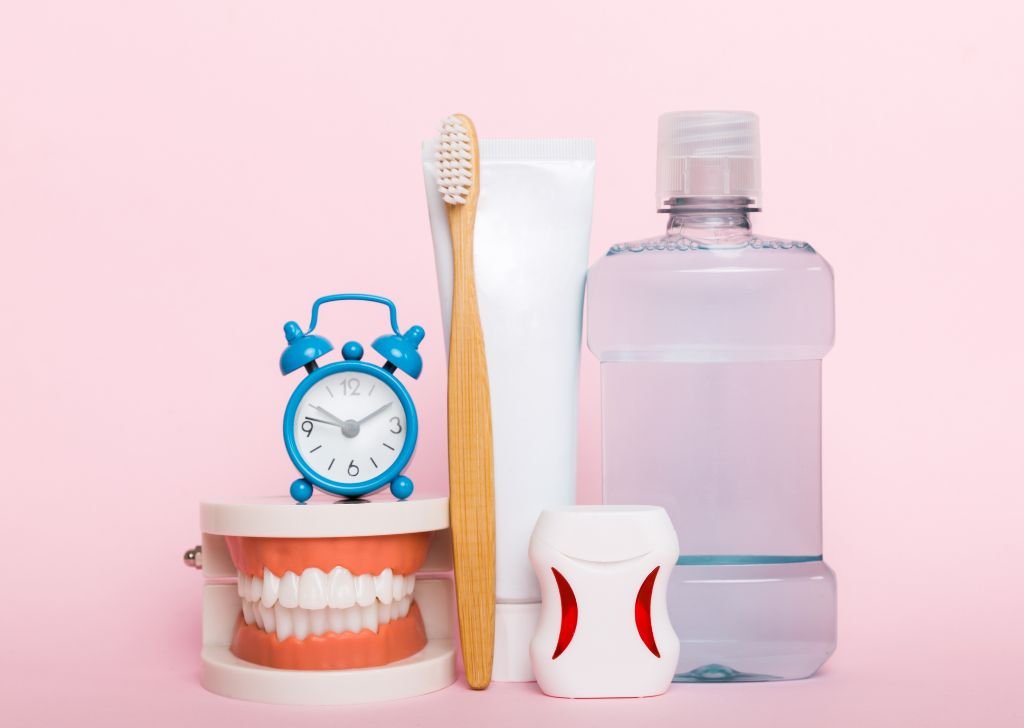
Gum pain and swelling can be managed and often reversed with the right at-home care, especially in the early stages of gingivitis. Whether you’re currently treating inflamed gums or just want to keep them healthy, consistency is key.
Brush Gently But Thoroughly
Use a soft-bristle toothbrush and brush twice a day using gentle circular motions. Aggressive brushing can worsen gum irritation and cause bleeding. Don’t forget to clean along the gumline, as this is where plaque loves to hide.
Floss Every Day
Flossing removes food particles and plaque from between teeth where your toothbrush can’t reach. If you notice bleeding when flossing, it’s a sign that your gums are inflamed, and regular flossing will help improve the condition over time.
Use Antibacterial Mouthwash
Rinsing with a mouthwash designed to reduce plaque and gingivitis can help kill bacteria, soothe swollen gums, and freshen your breath. Avoid alcohol-based rinses that can dry out your mouth.
Avoid Smoking and Tobacco
Tobacco use is one of the leading contributors to gum disease. It reduces blood flow to the gums, slows healing, and makes treatment less effective. Quitting can drastically improve your gums and overall health, too.
Even if your symptoms ease, it’s important to continue these habits and visit your dentist regularly to ensure your gums stay healthy long term.
What to Eat for Healthy Gums
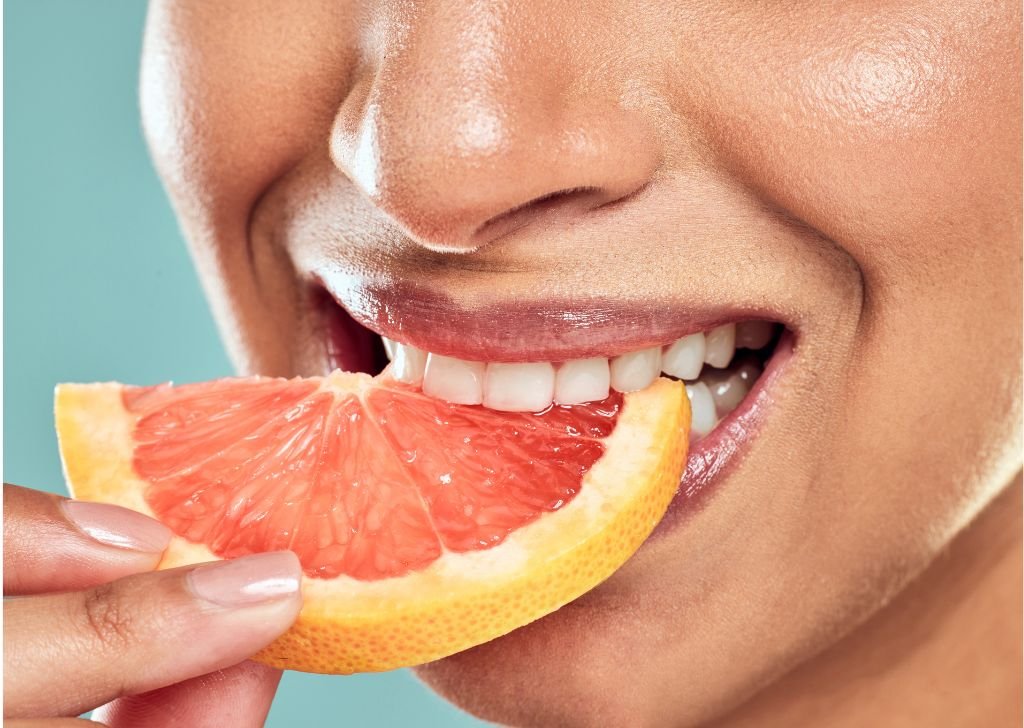
What you put on your plate affects more than just your waistline; it plays a big role in the health of your gums, too. A nutrient-rich diet helps your body fight inflammation, repair tissue, and maintain a strong immune response against bacteria.
Vitamin C – Strengthens Gum Tissue
Vitamin C helps regenerate connective tissue and fights inflammation. A deficiency can lead to bleeding gums or even scurvy. Add more citrus fruits like oranges and grapefruits, strawberries, kiwi, and bell peppers to your meals for a natural vitamin C boost.
Vitamin D – Supports Immune Health
Vitamin D helps reduce inflammation and supports your body’s ability to fight gum infections. It also helps absorb calcium more effectively. Get it from fatty fish like salmon and mackerel, egg yolks, or fortified foods like cereals and dairy. A little sunshine every day helps too.
Calcium – Keeps Teeth Anchored in Place
Calcium is vital for maintaining the jawbone and keeping your teeth securely in place. Try consuming more dairy products like cheese, yoghurt, and milk. Leafy greens like kale and broccoli are great alternative non-dairy options.
Omega-3 Fatty Acids – Reduce Gum Inflammation
These healthy fats have anti-inflammatory properties that can improve gum health. You’ll find them in fatty fish (like sardines and tuna), flaxseeds, walnuts, and chia seeds.
Water – The Ever-Reliable Classic
Drinking plenty of water keeps your mouth moist, washes away food debris, and helps balance pH levels, making it harder for harmful bacteria to thrive.
Eating your way to better gum health isn’t complicated. Just focus on whole foods, limit sugar, and stay consistent. Your gums will thank you.
What Should You Do If You Think You Have Gingivitis?
If your gums feel sore, look swollen, or bleed easily when brushing or flossing, don’t wait for it to go away on its own. Gingivitis may seem harmless at first, but early intervention makes a big difference.
Step 1: Take a Closer Look at Your Habits
Evaluate your oral hygiene routine. Are you brushing twice a day? Are you flossing daily? Sometimes, improving your technique is enough to reduce symptoms in a few days.
Step 2: Try Saltwater Rinses
A mild saltwater rinse (½ teaspoon salt in a glass of warm water) can reduce inflammation and kill some bacteria. Use it once or twice a day for temporary relief.
Step 3: Look at Your Diet
Are you getting enough vitamin C, calcium, and vitamin D? Deficiencies in these nutrients can contribute to gum problems. Try to include fruits, leafy greens, and dairy or fortified alternatives.
Step 4: Book a Dental Consultation
Even if your symptoms seem to improve on their own, it’s still crucial to see a dental professional. That’s because gingivitis can progress silently and may return if the root causes aren’t addressed properly.
When to See a Dentist About Gum Swelling and Pain
Mild gum irritation can sometimes improve with consistent brushing, flossing, and healthier habits. But if the swelling lingers or keeps coming back, it’s usually a sign that professional help is needed.
You should consider seeing a dentist if:
- The swelling lasts more than a week despite better oral care
- There’s pus, a bad taste in your mouth, or a visible bump on the gums
- Your gums bleed easily when brushing or flossing
- Only one area is swollen and feels different from the rest
- You notice your gums pulling away from the teeth (recession)
- There are additional symptoms, like fever or pain when chewing